Do ver: acampamento
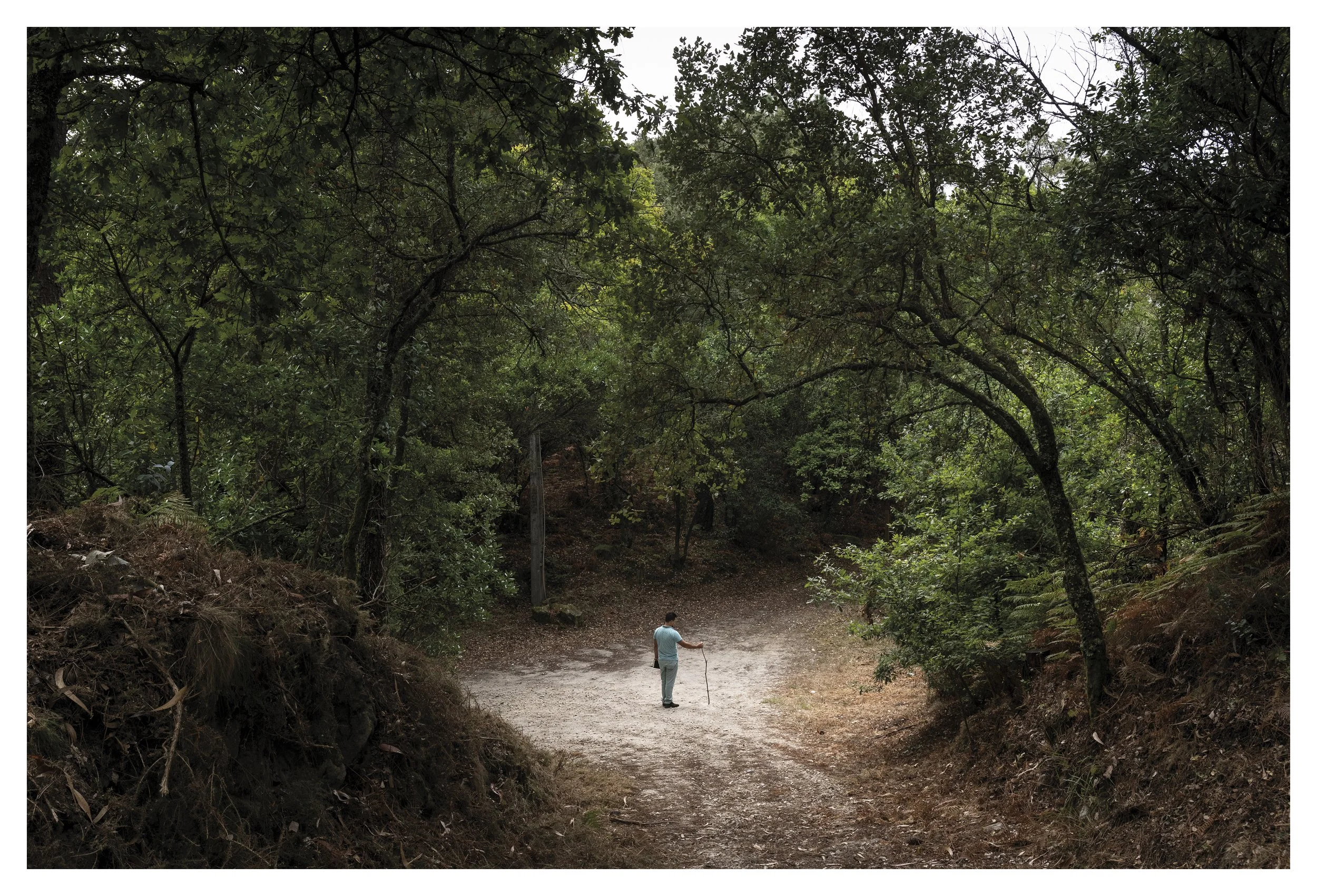
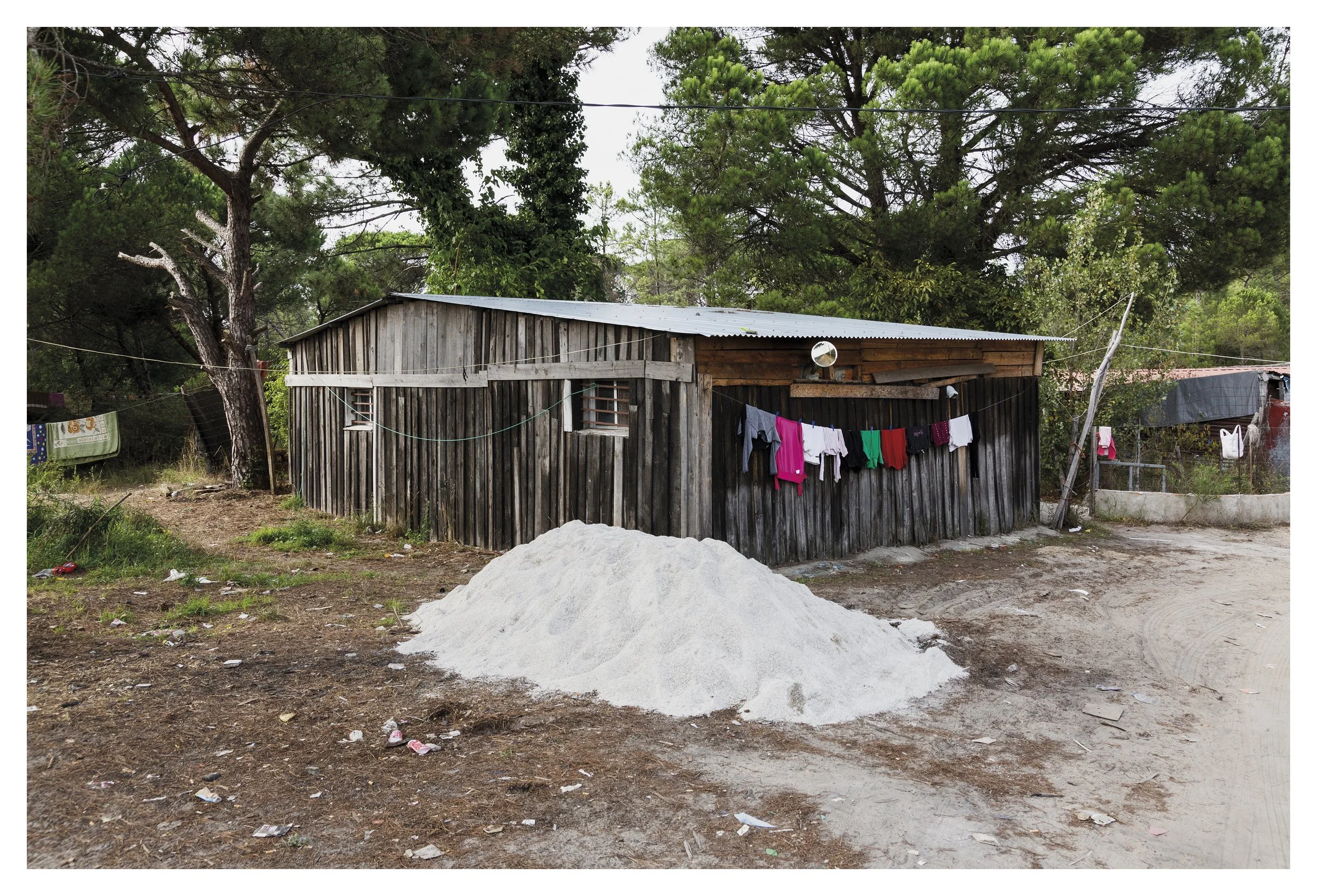
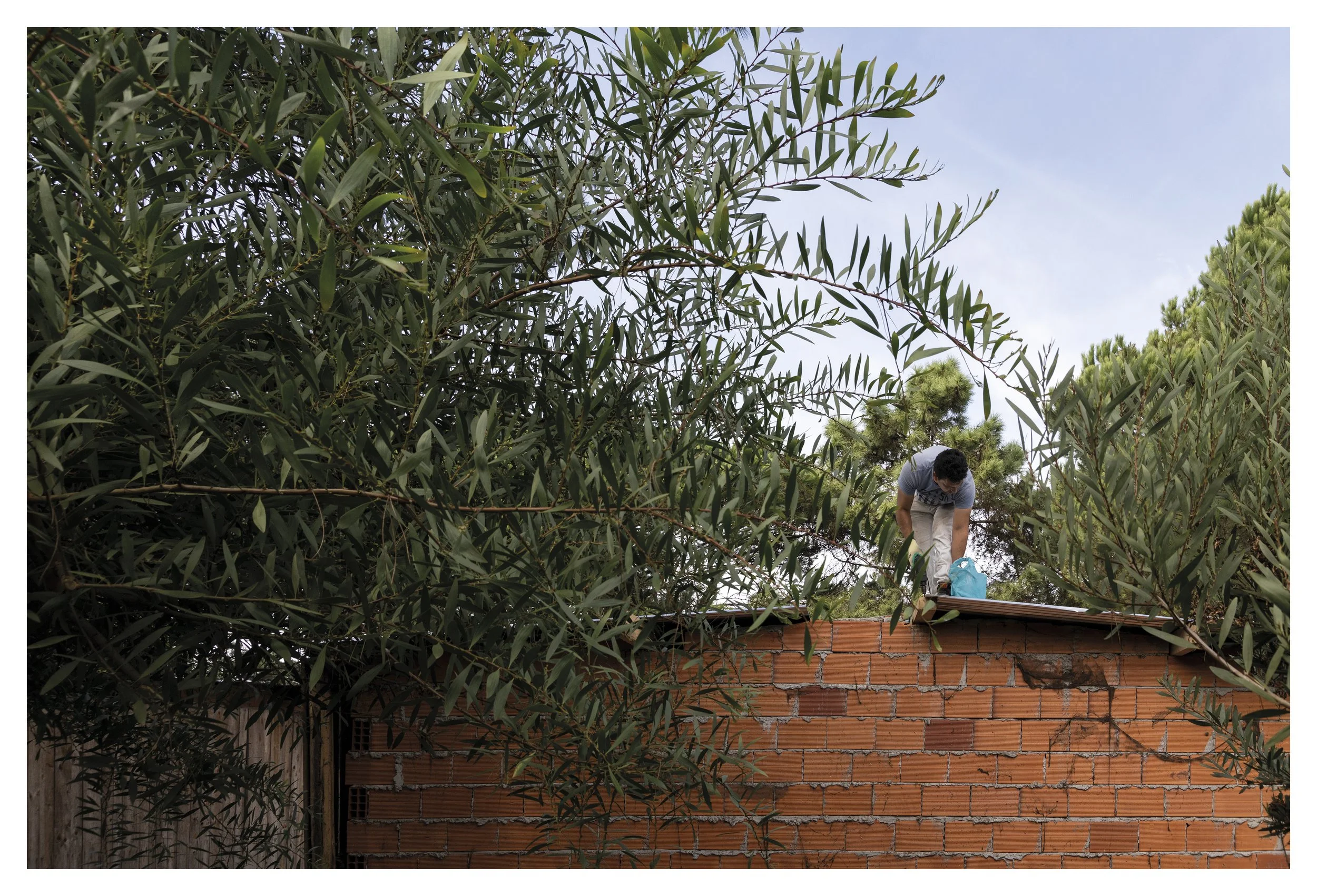
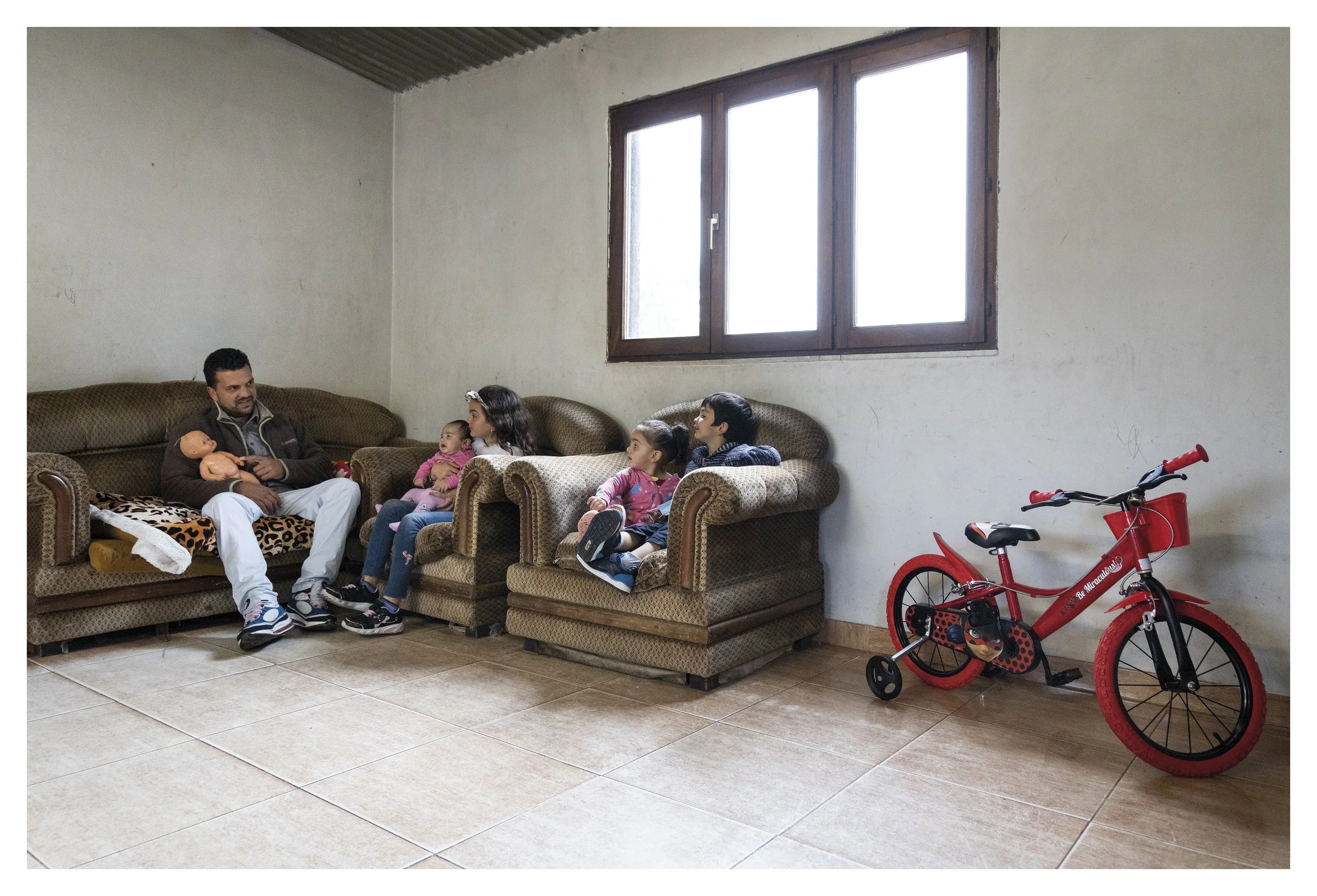
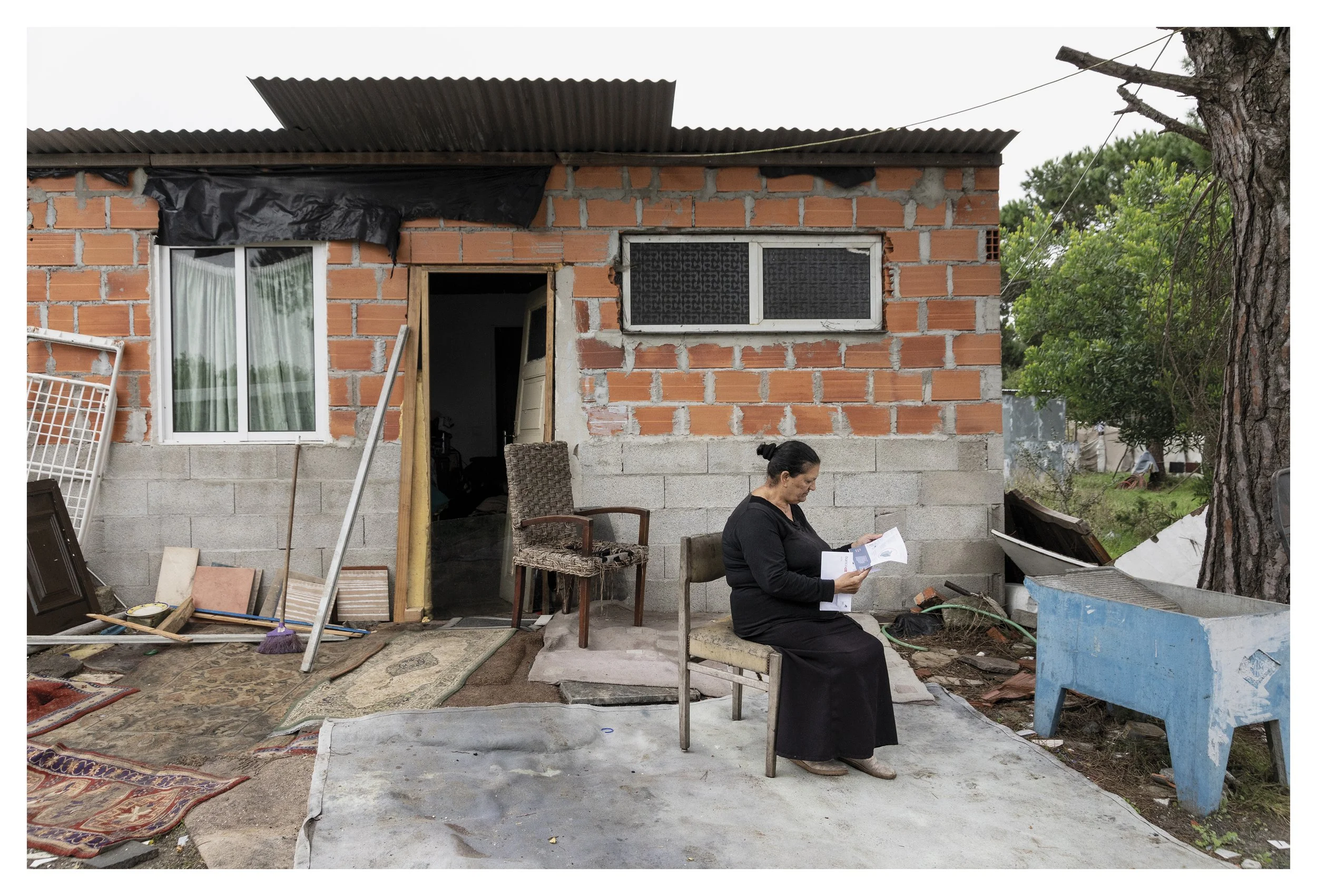
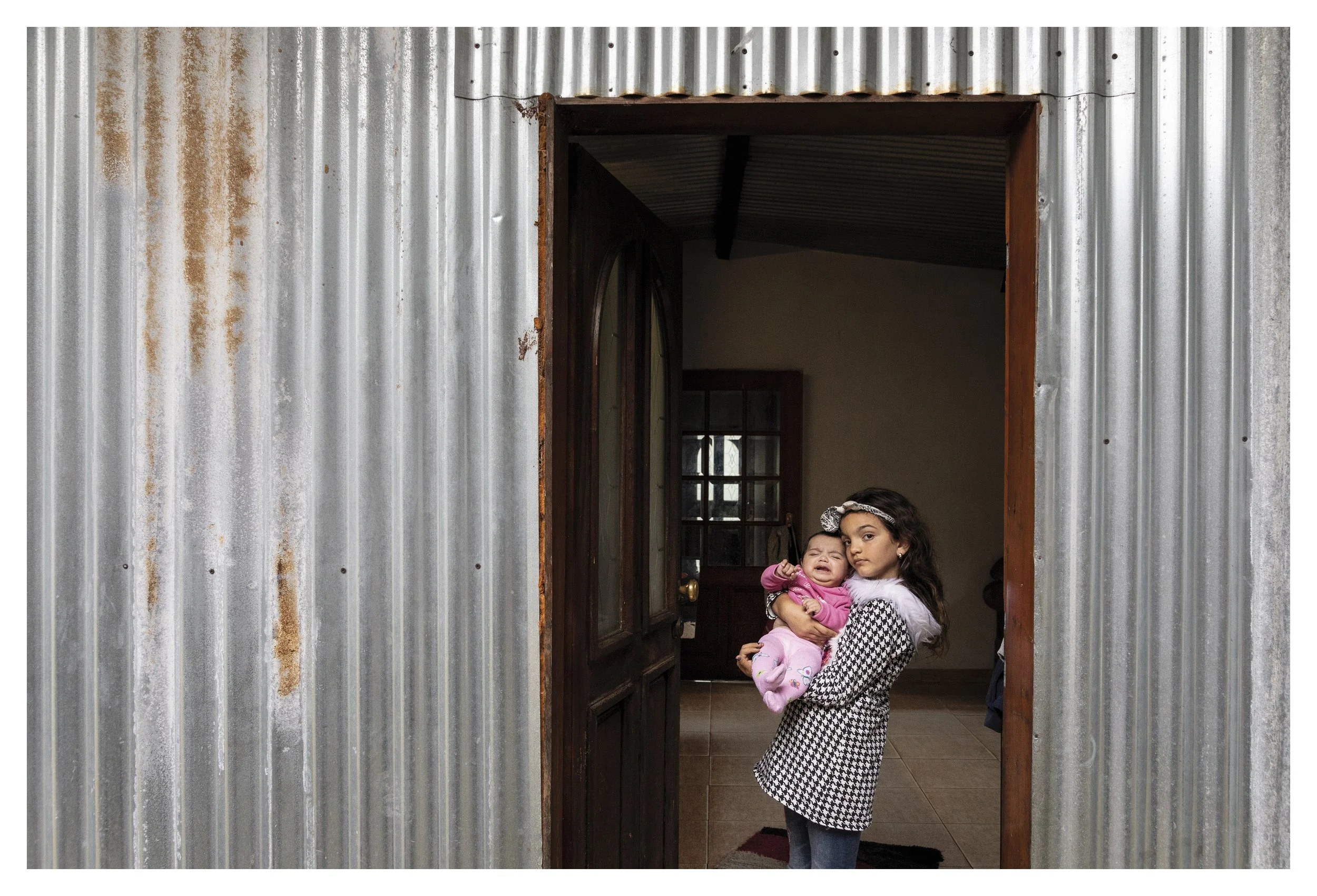
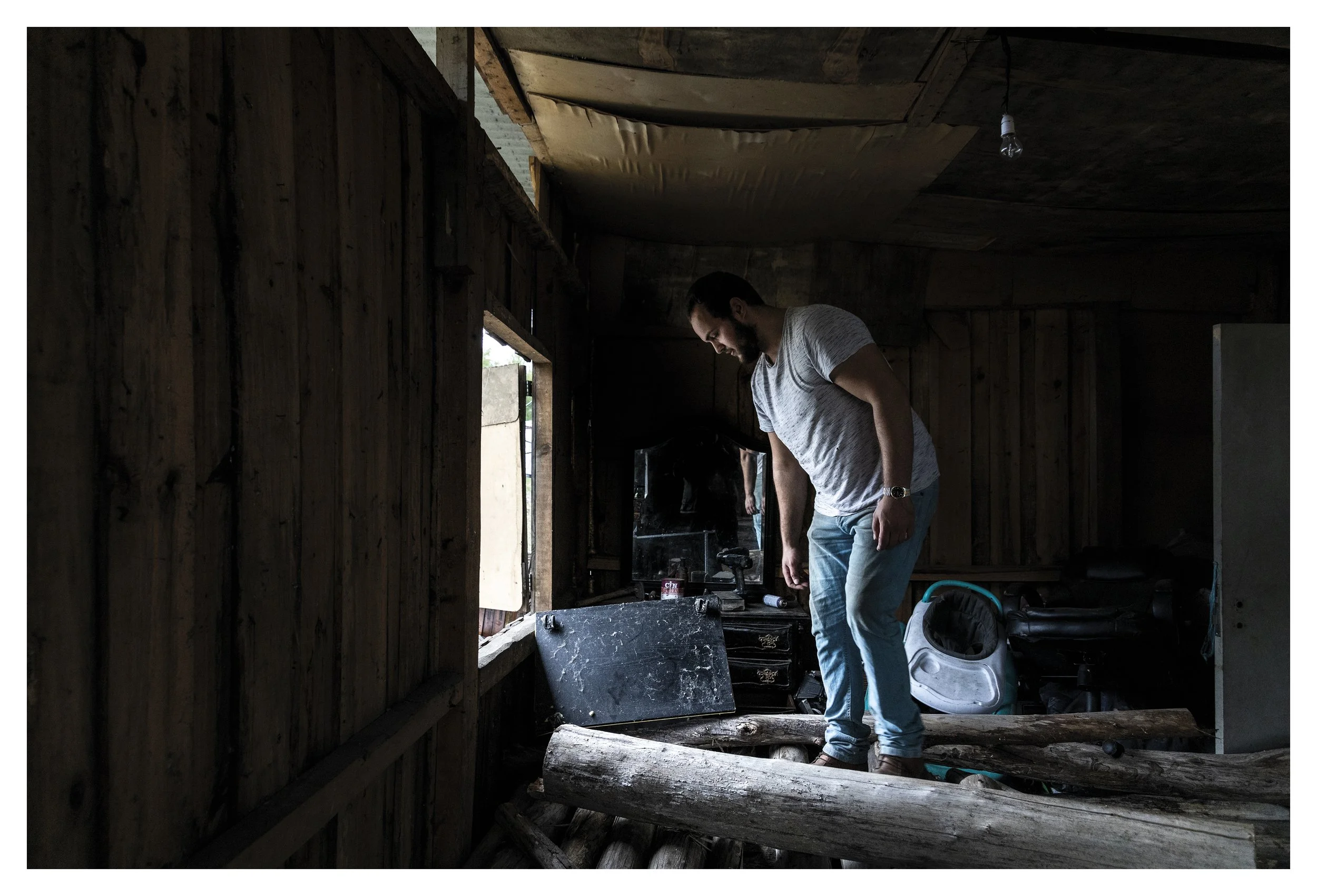
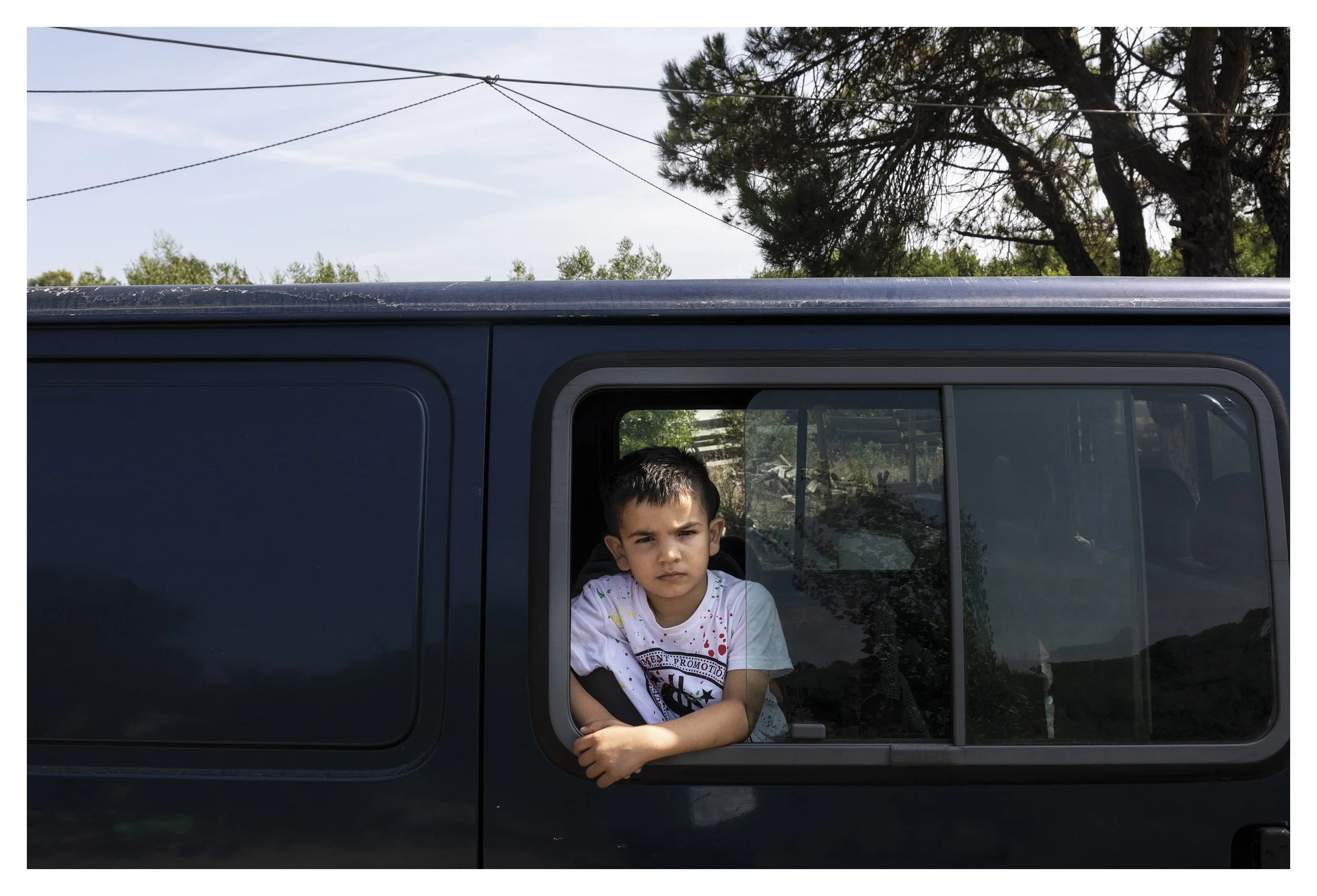
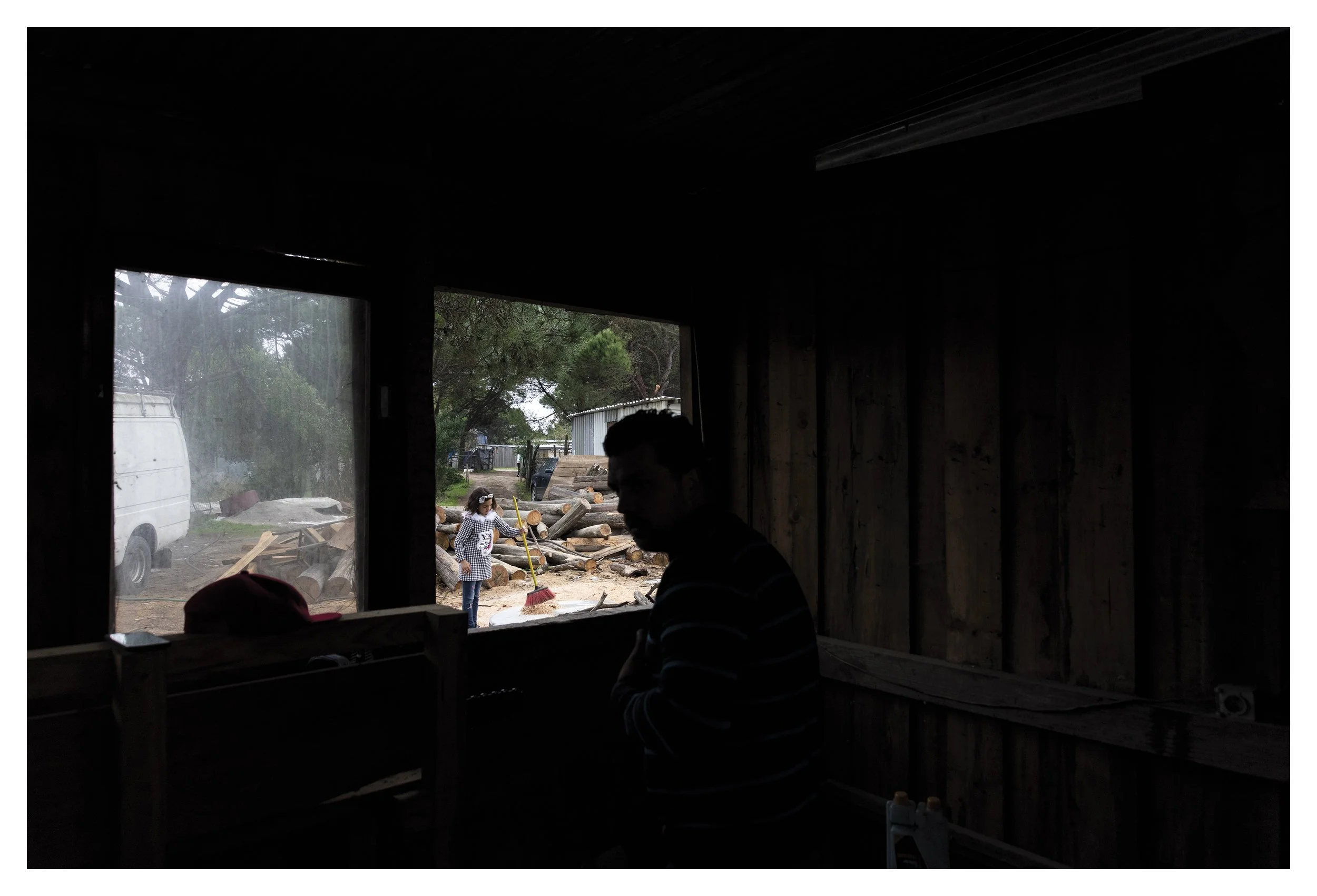
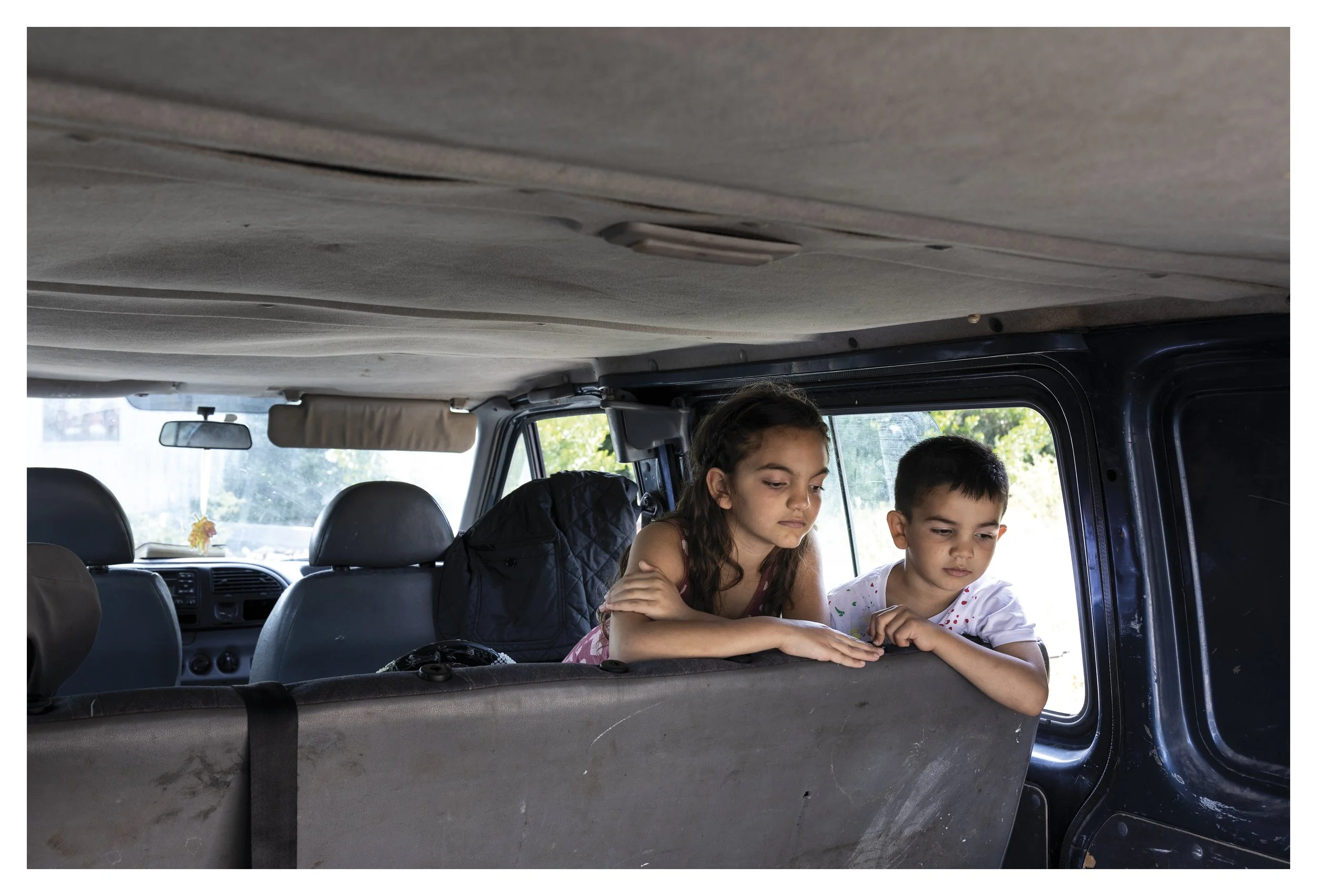
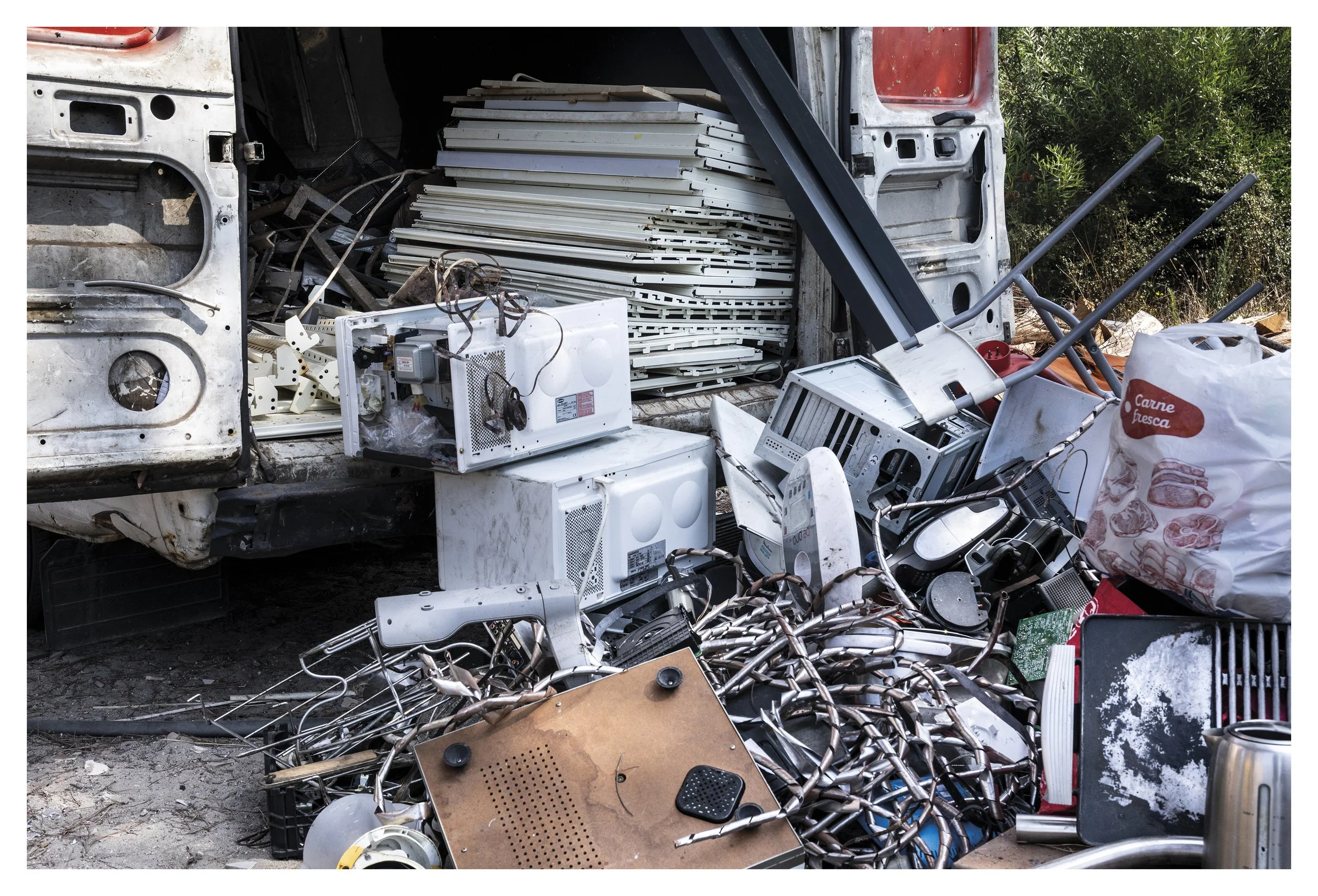
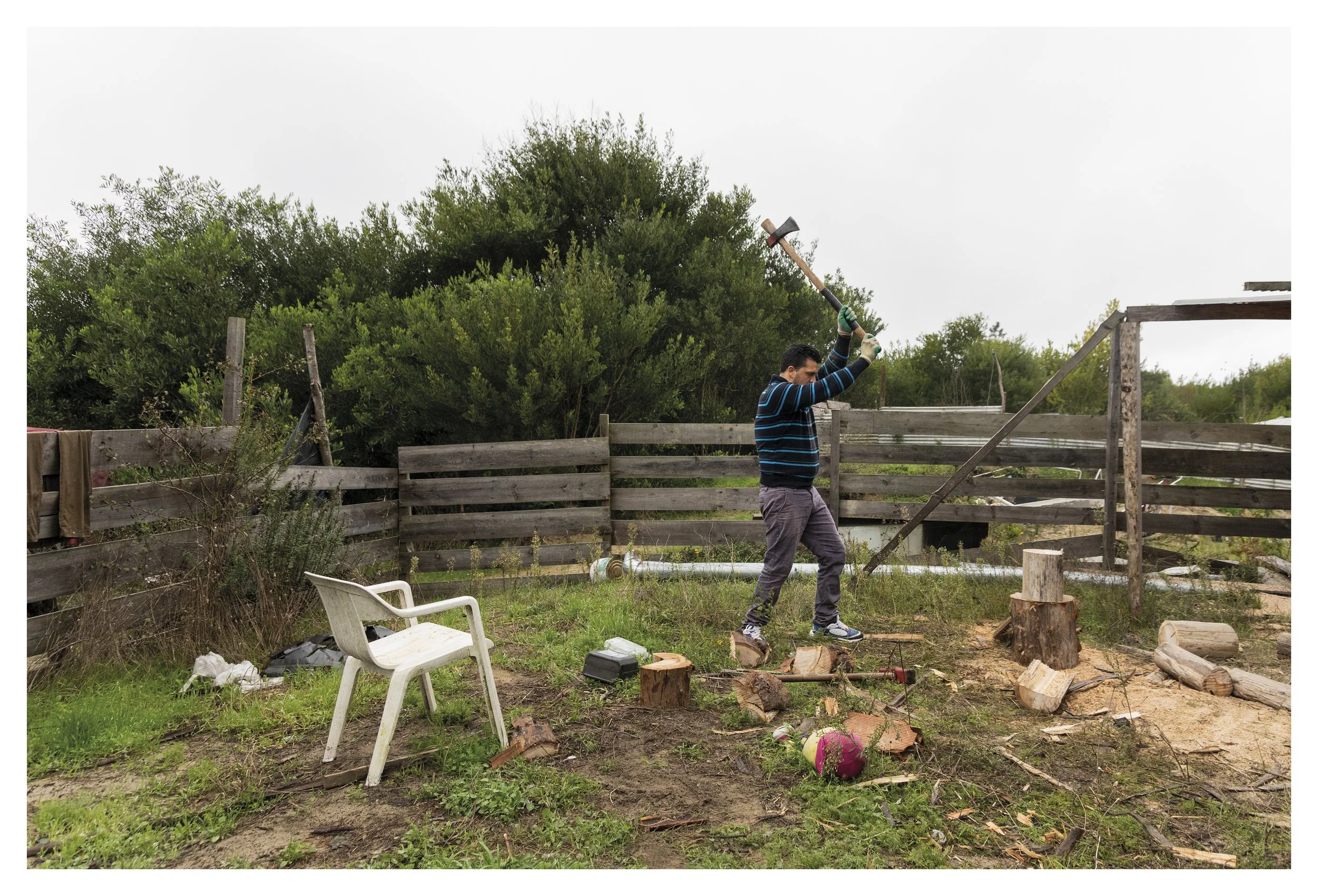
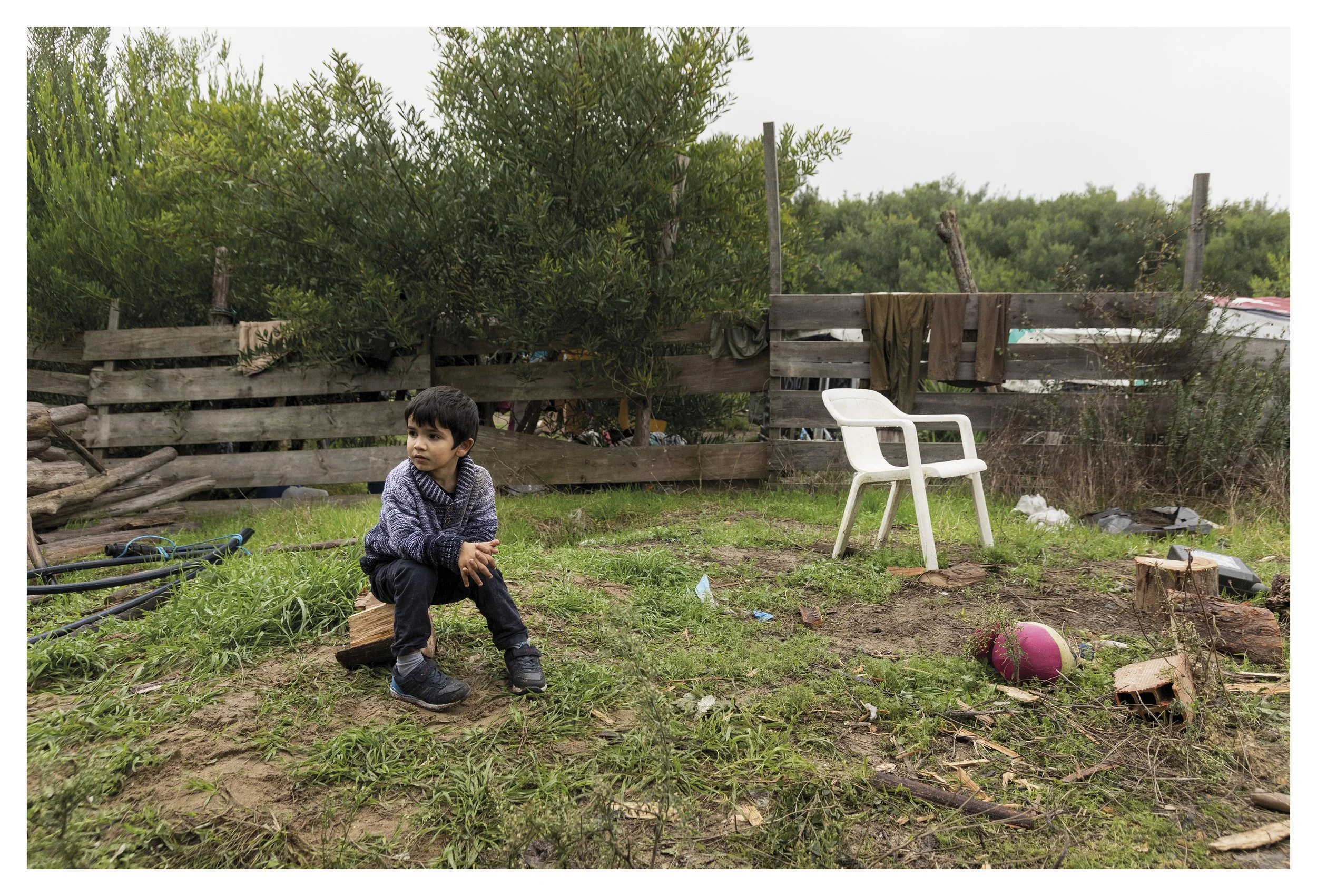
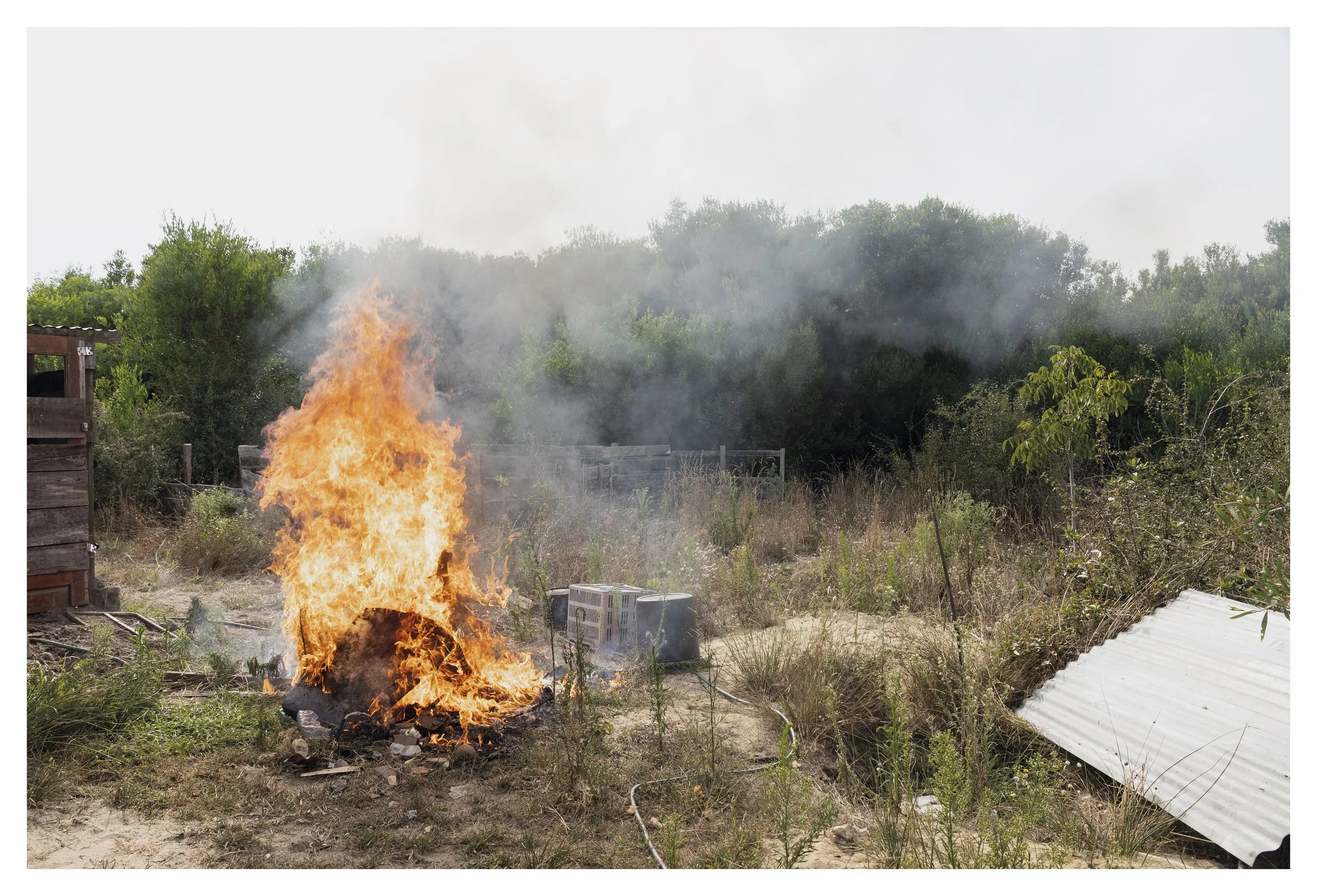
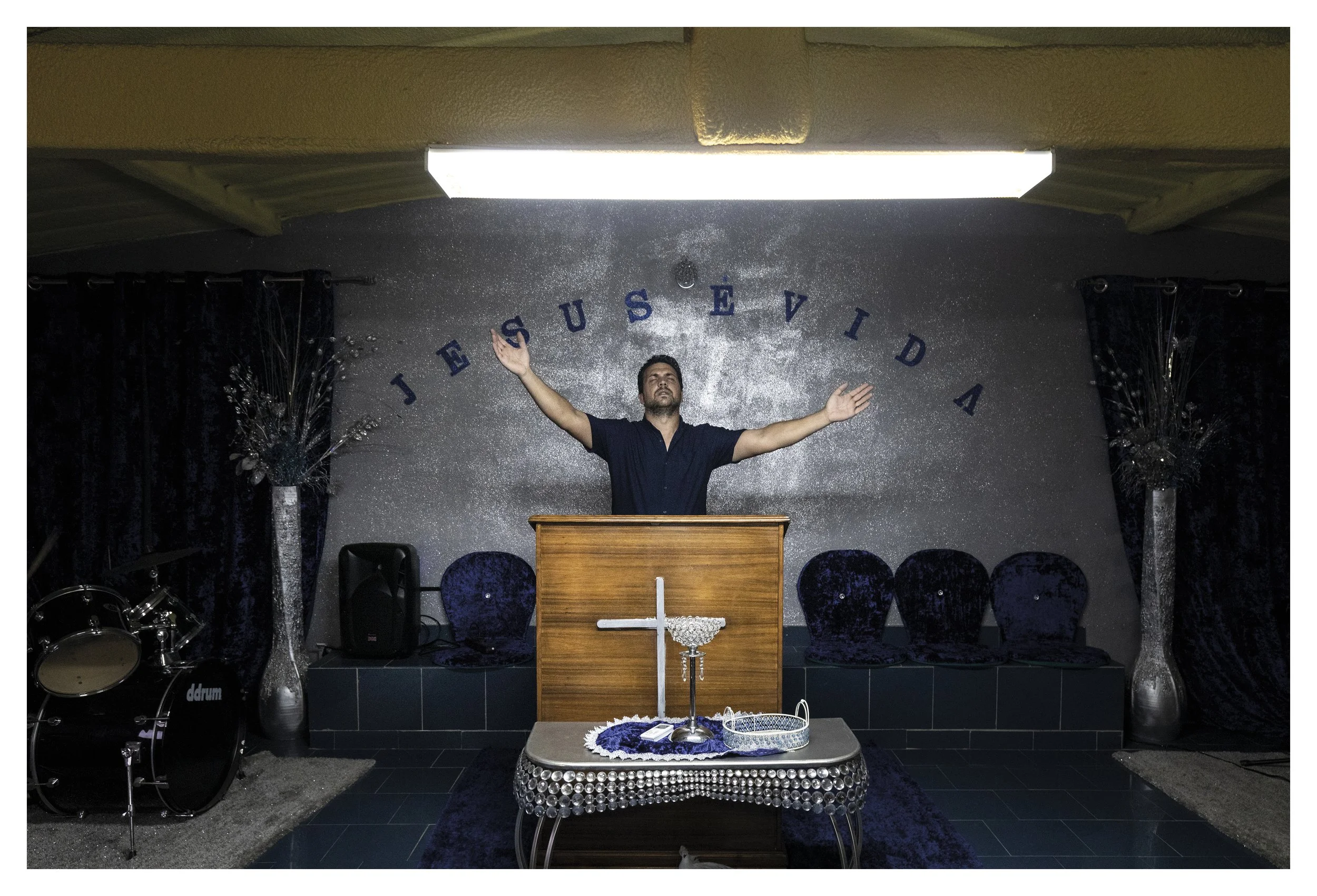
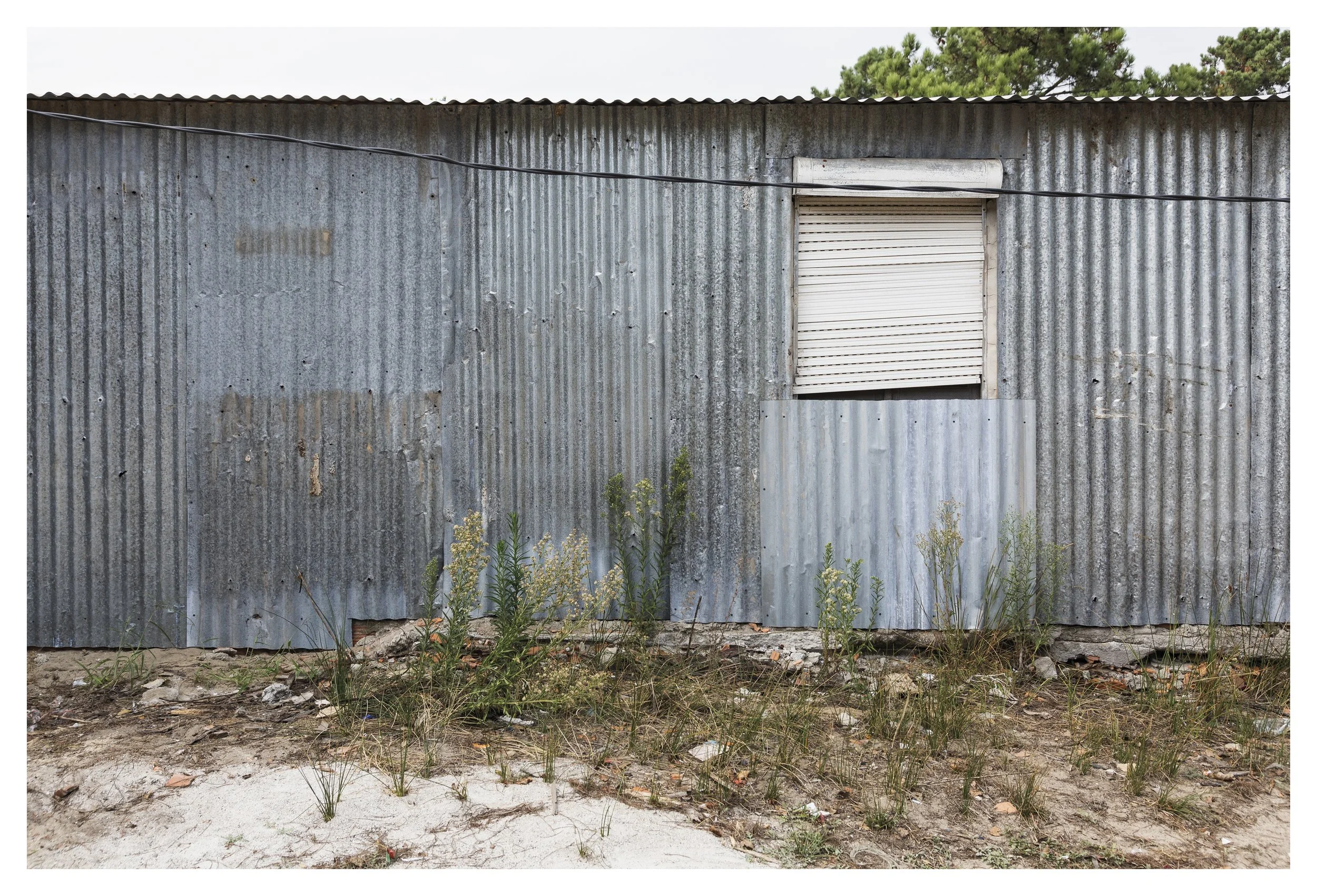
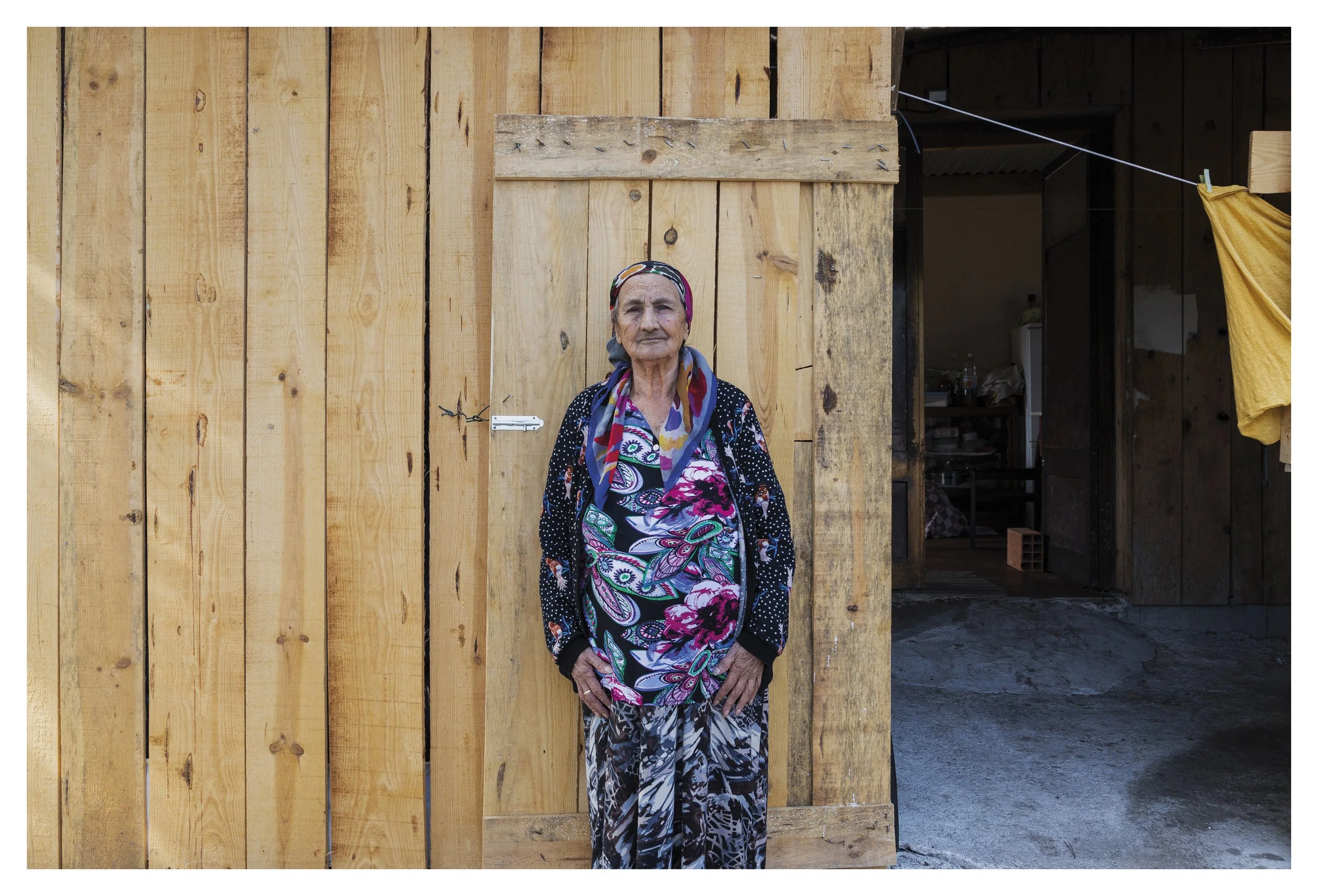
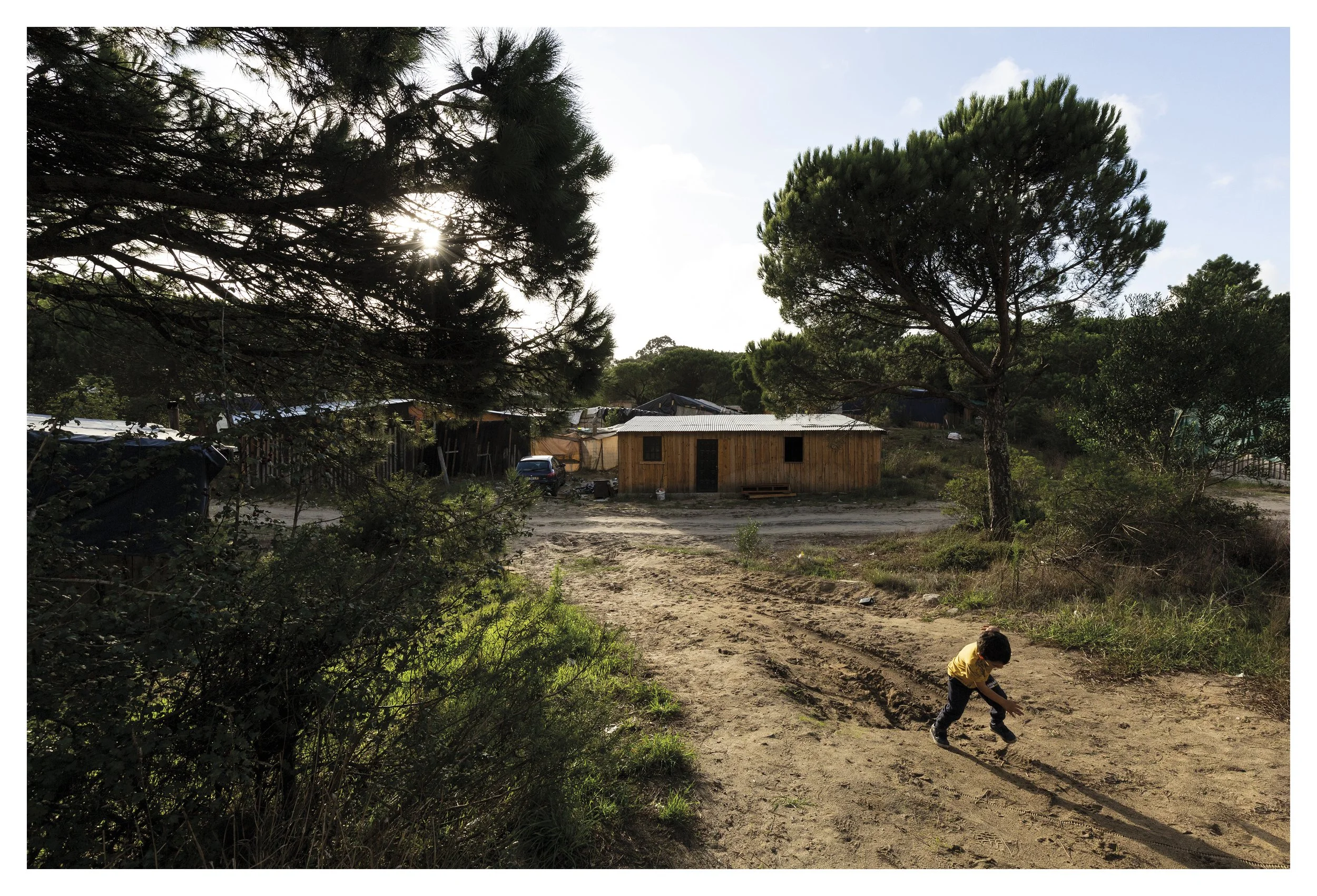
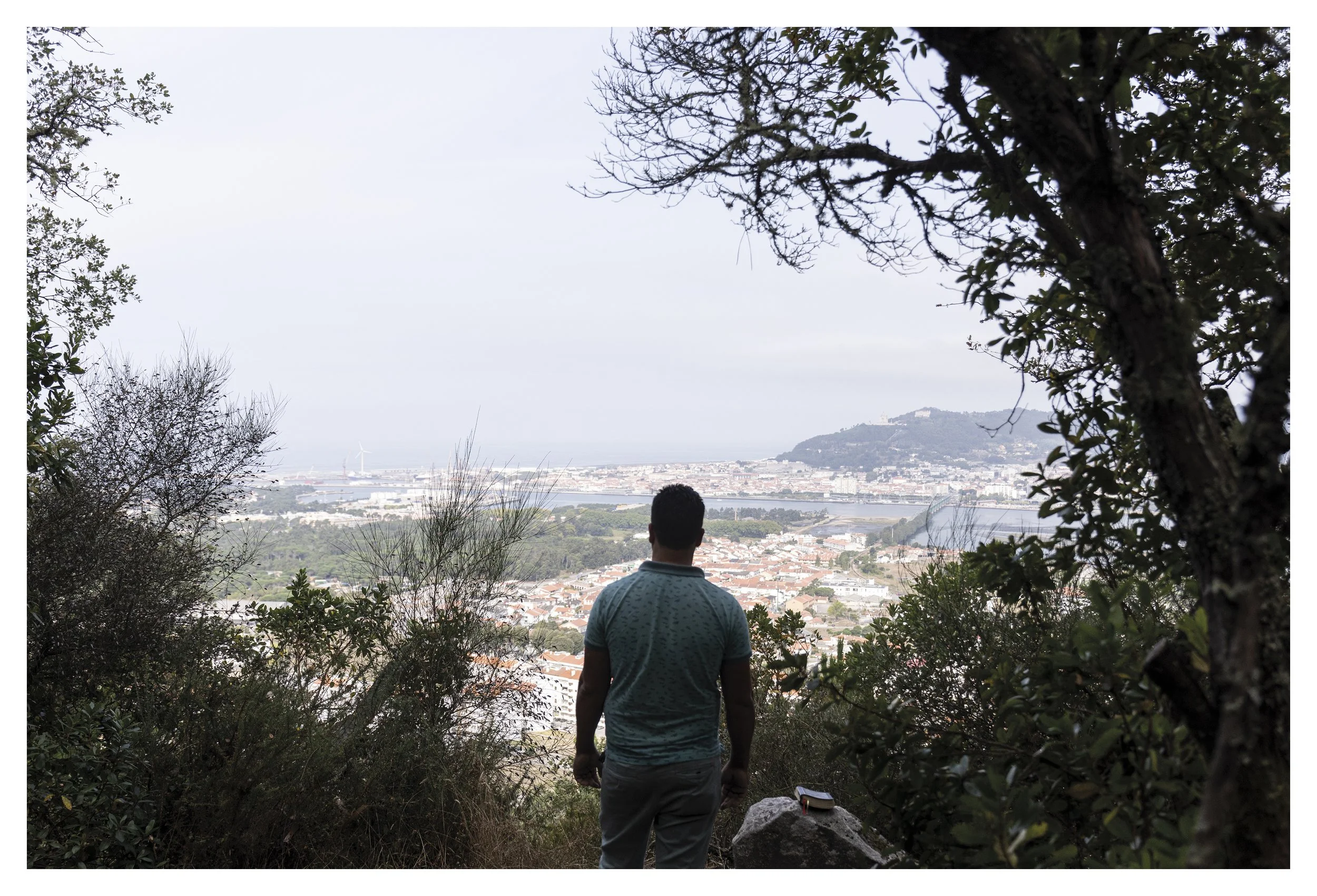
Este projecto fotográfico pretende desenhar-se sobre camadas de um real imaginado, descrito e inscrito nestas fotografias. O seu início surge pela vontade de querer conhecer e documentar um determinado lugar. Situado em Darque, este acampamento cigano é a origem de todo o processo de trabalho, da linha que conduz o livro e que nos faz atravessar as vidas destas pessoas.
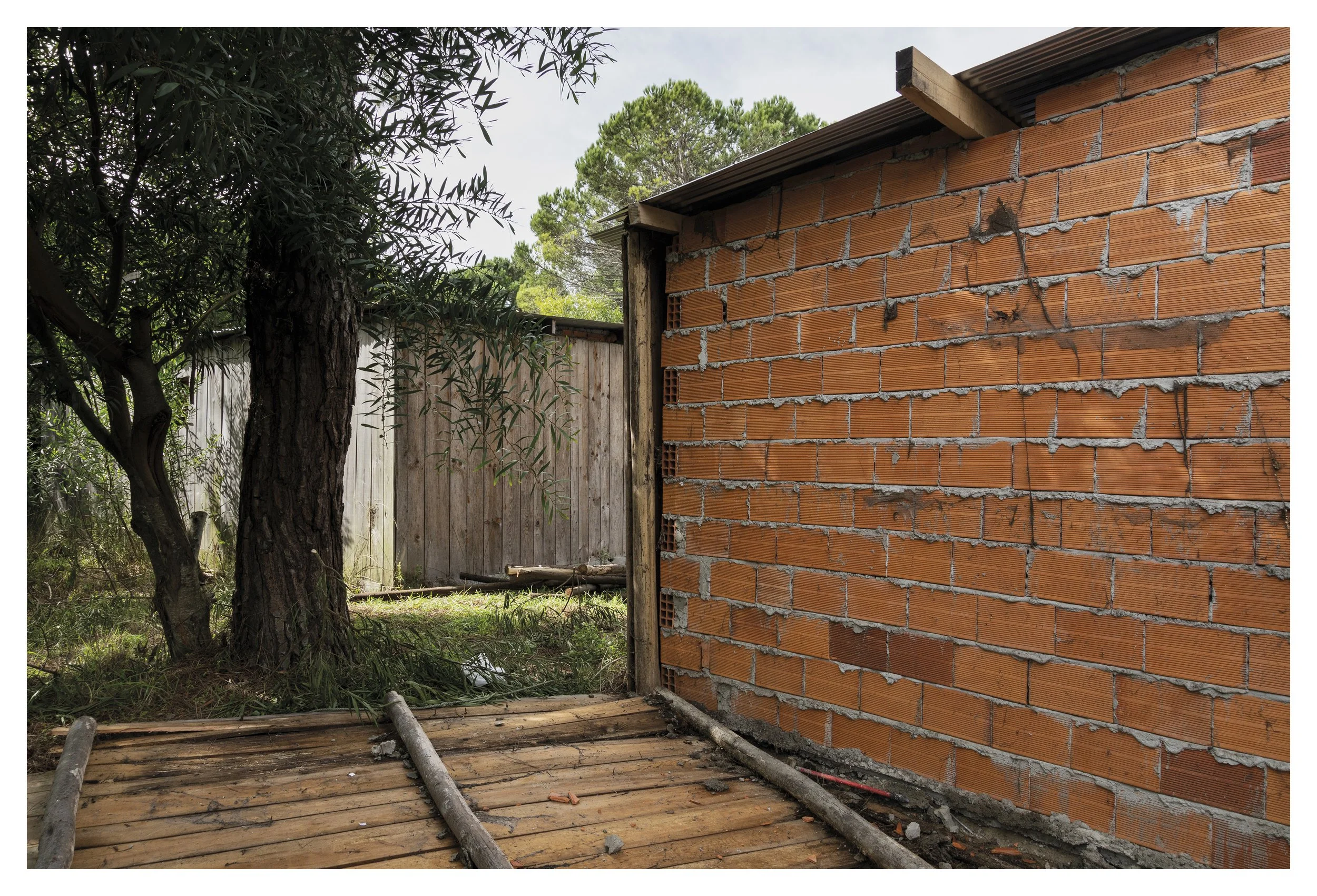
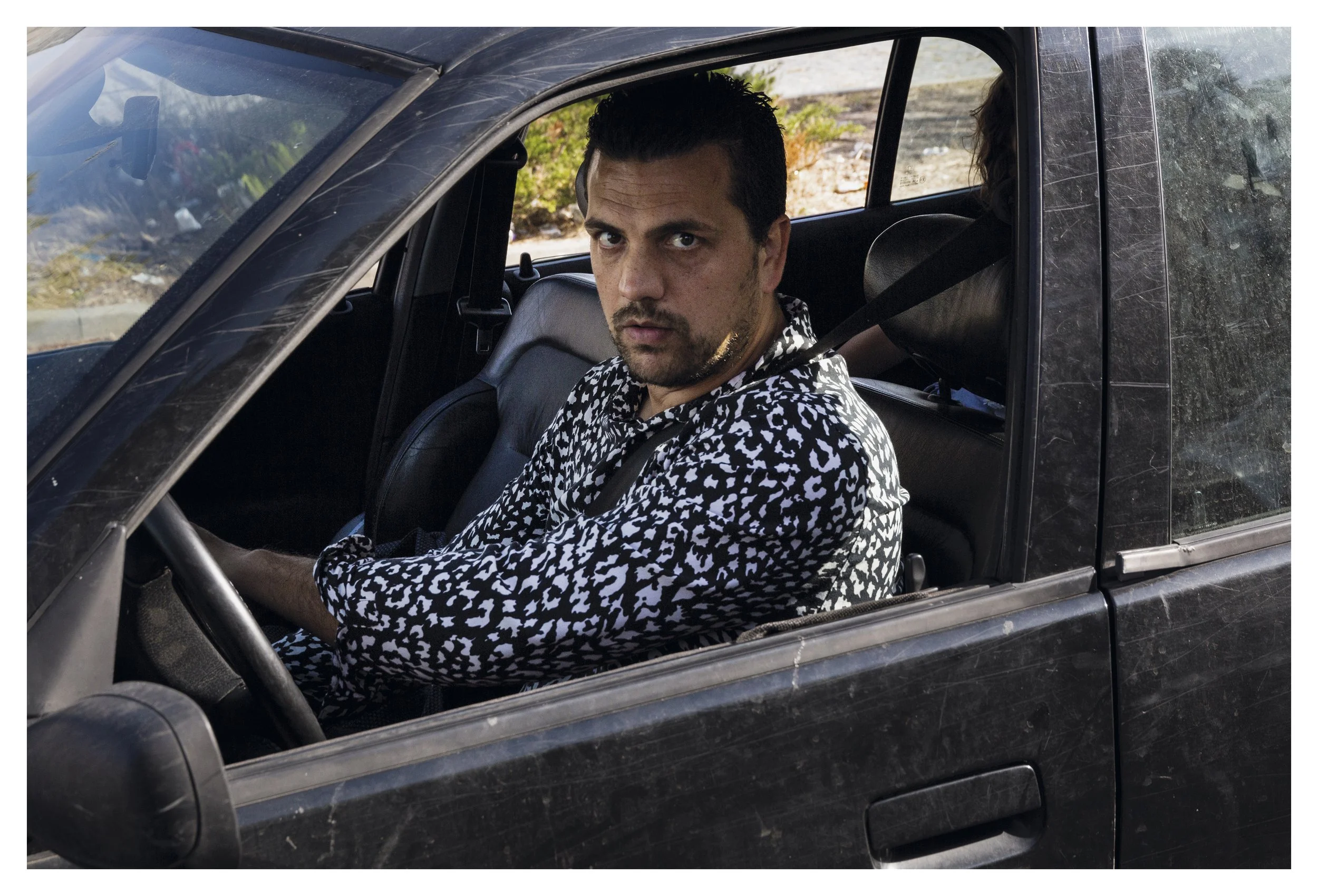
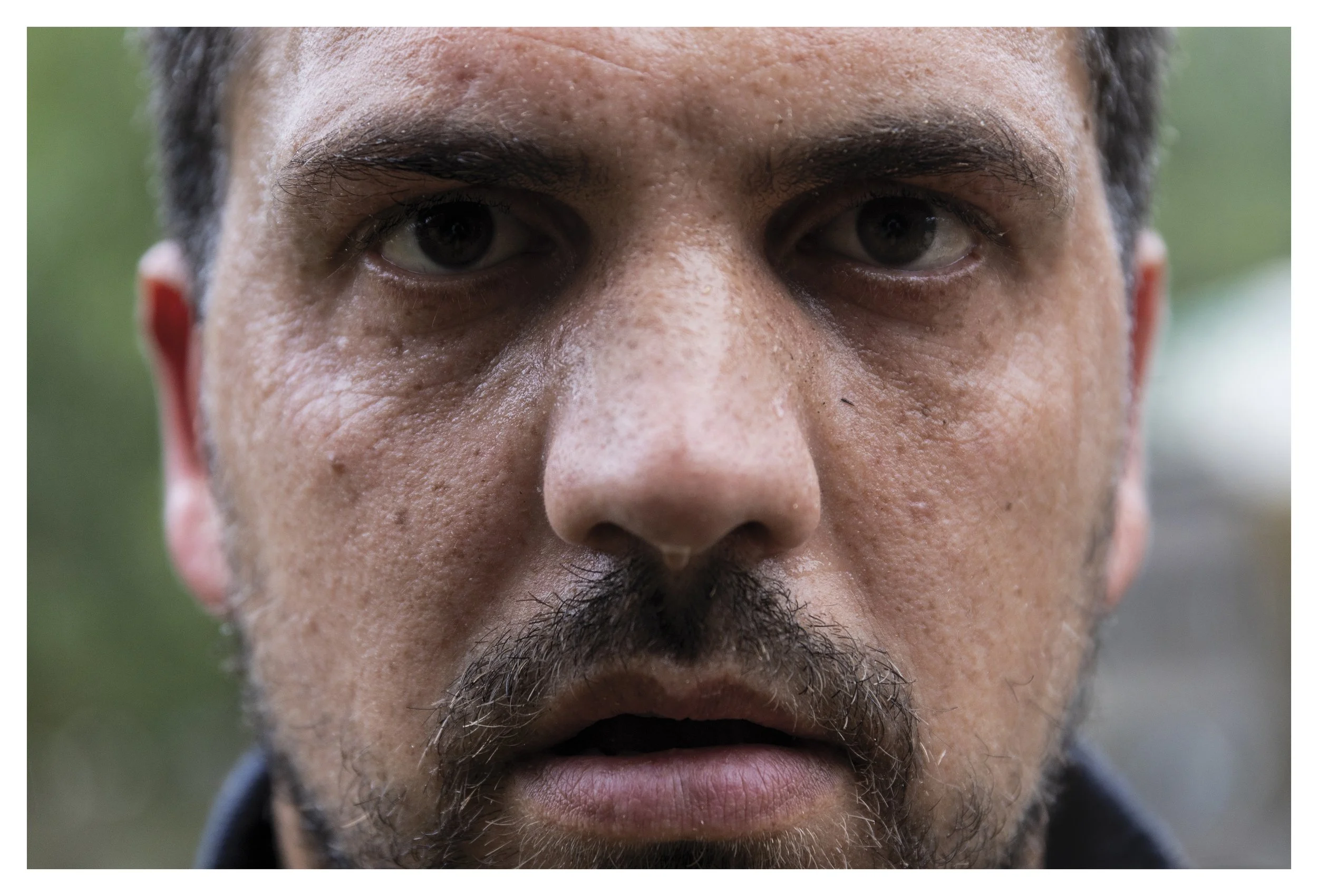
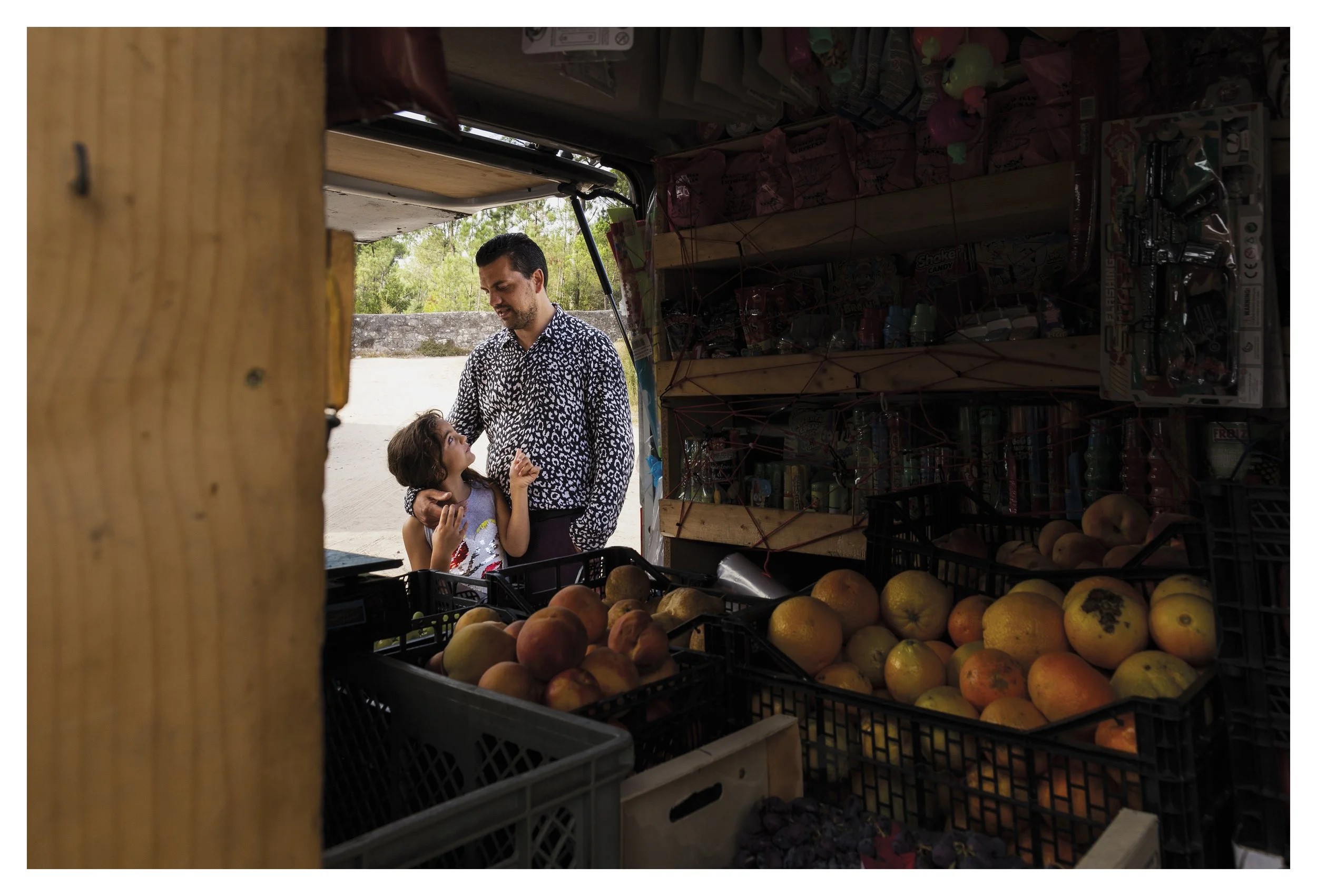
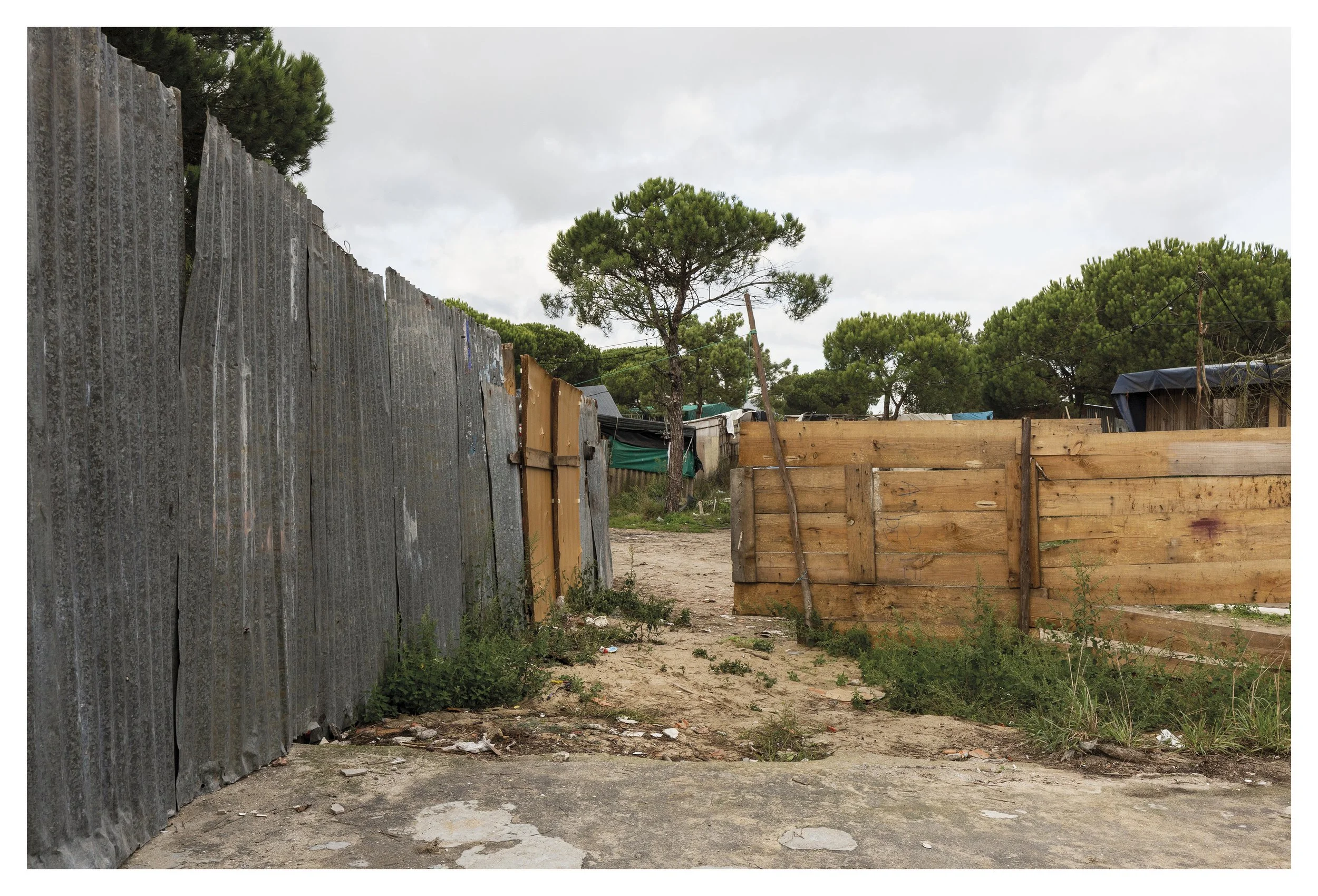
Fascinava-me a dúvida: o que estaria por detrás daqueles muros (quase ausentes em forma)? Existia também a vontade de conhecer novos quotidianos e de os ver acontecer. Foi assim que conheci o Daniel.
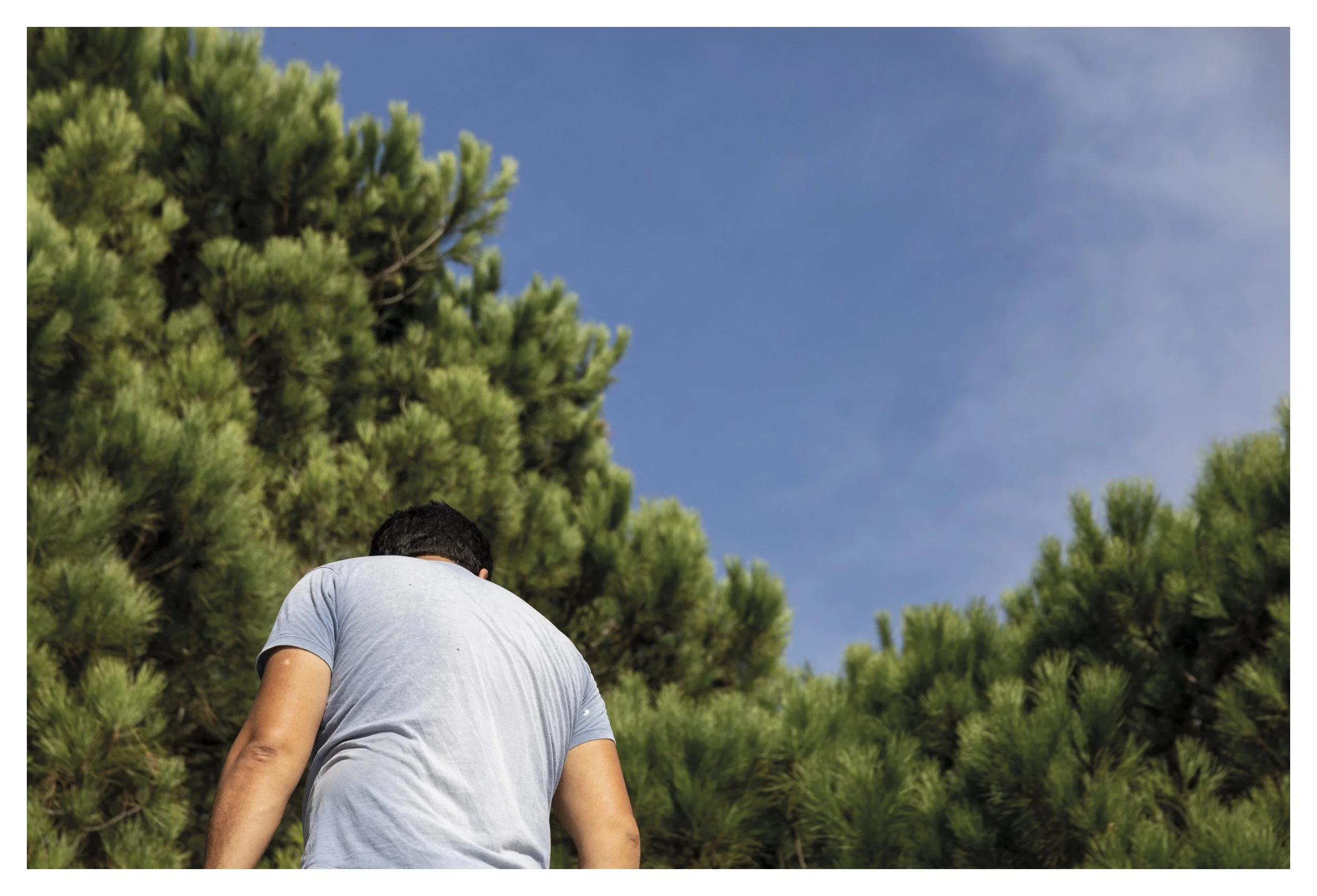
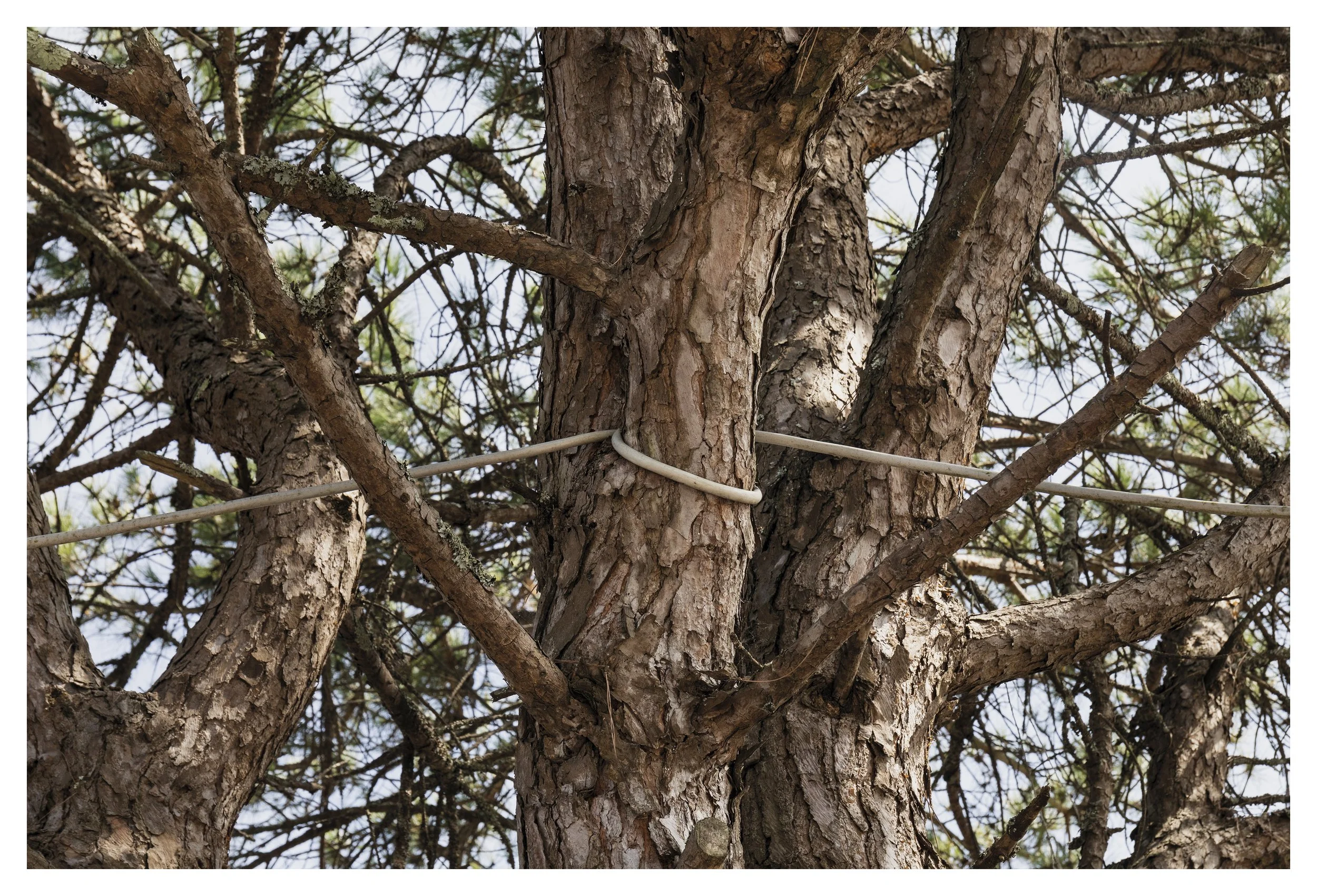
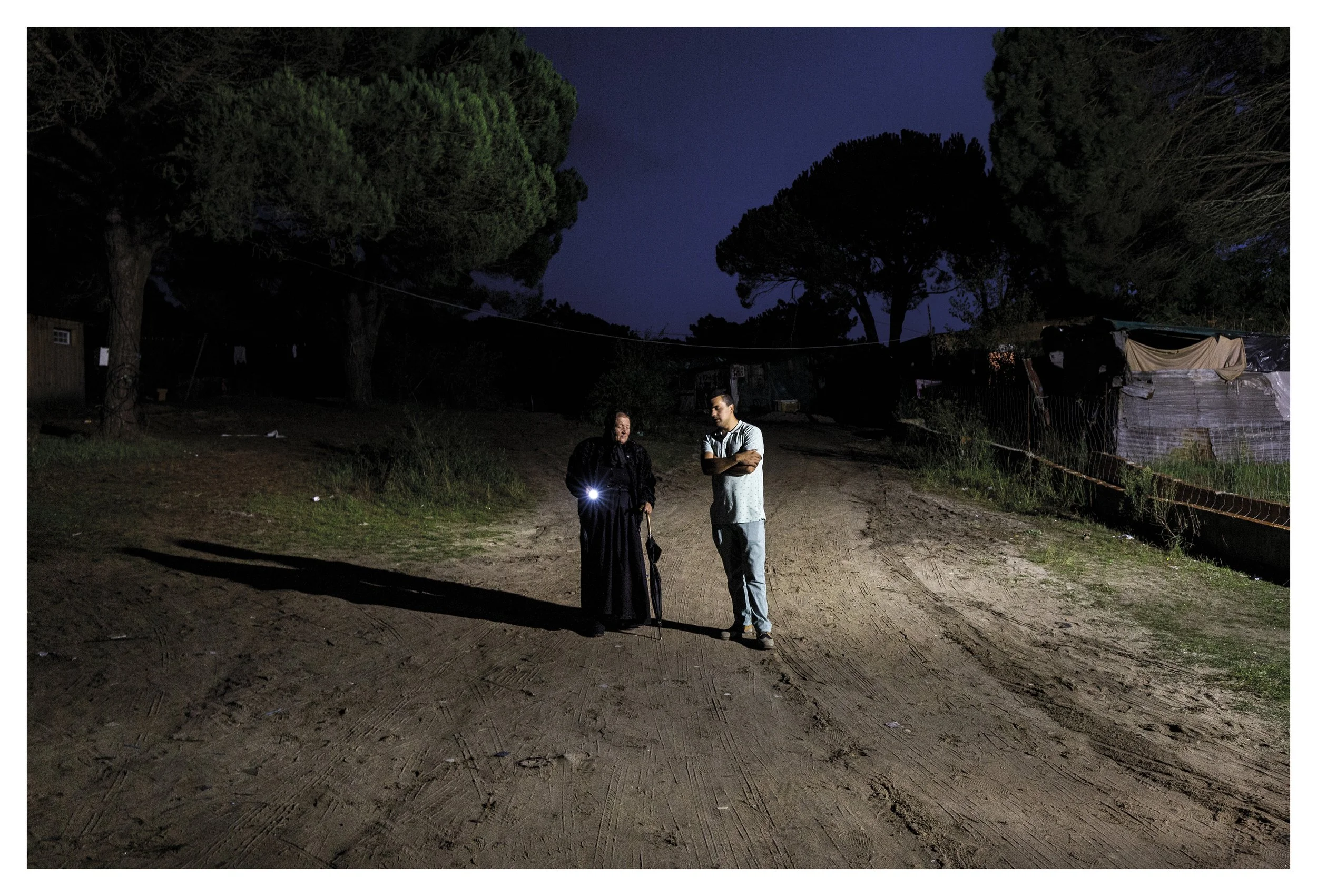
Fotografar: gesto que me leva a traduzir aquilo que vejo e sigo nestes dois anos de projecto – (a)condiciona num plano pessoal aquilo que identifico perante um vazio consciente, um desmentir de uma verdade que desconhecia ou desconheço. Paradoxos, metáforas e realidades. Interessava-me, a partir do primeiro momento de contacto, conhecer a comunidade e levar o meu real para dentro dos carreiros e das árvores que acolhem estes corpos.
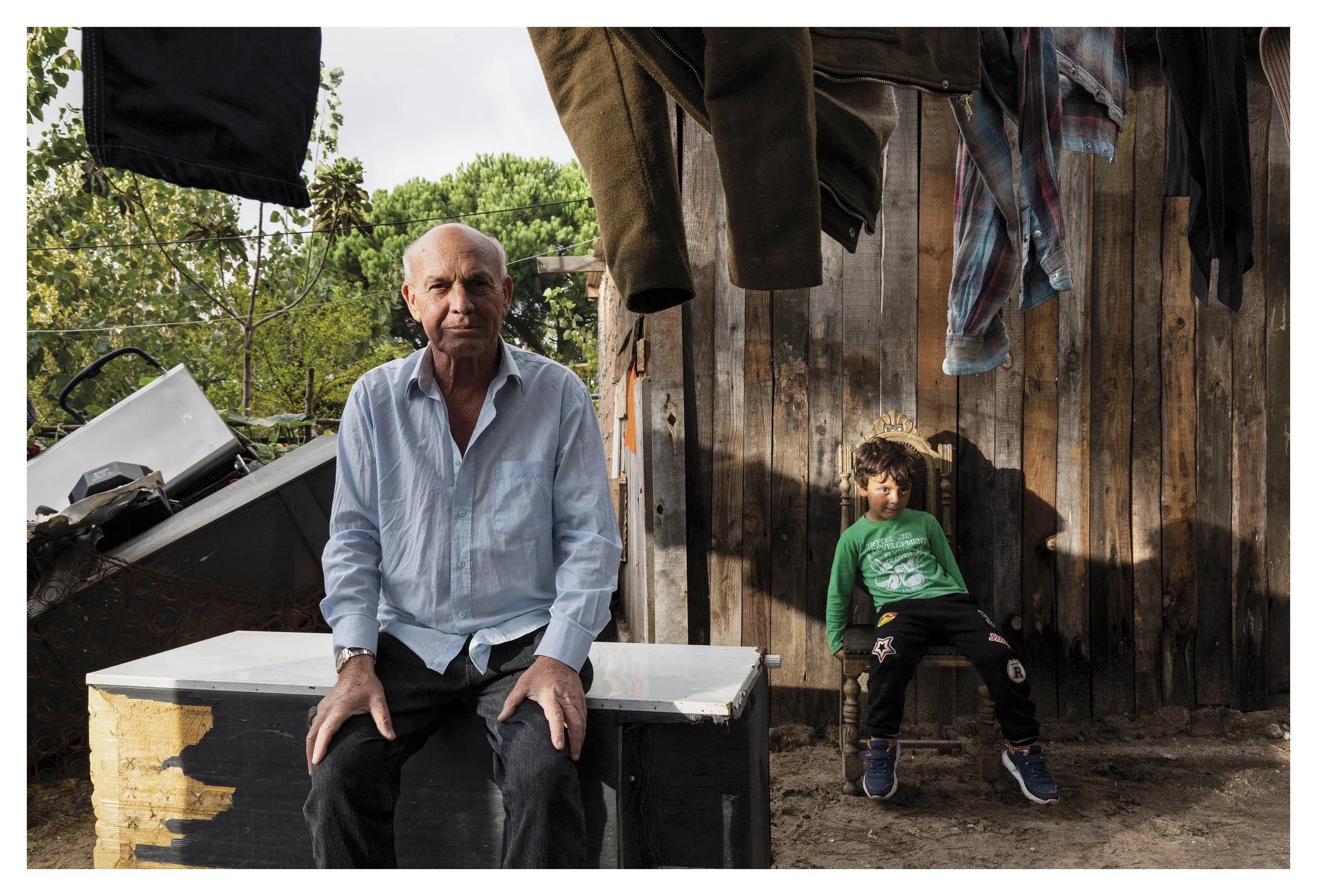
Quem são? Ficaram, decidiram viver neste lugar. Por agora...
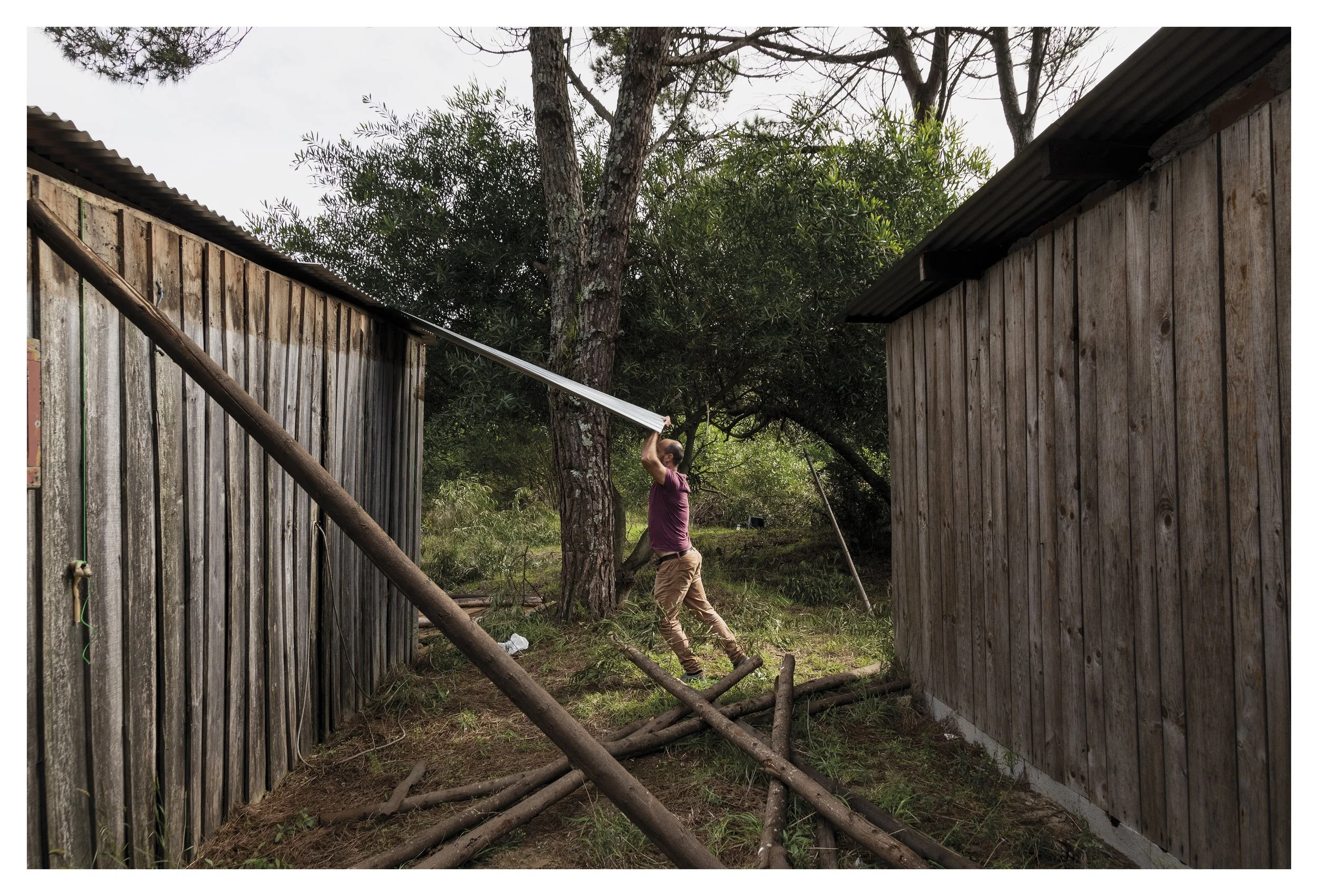
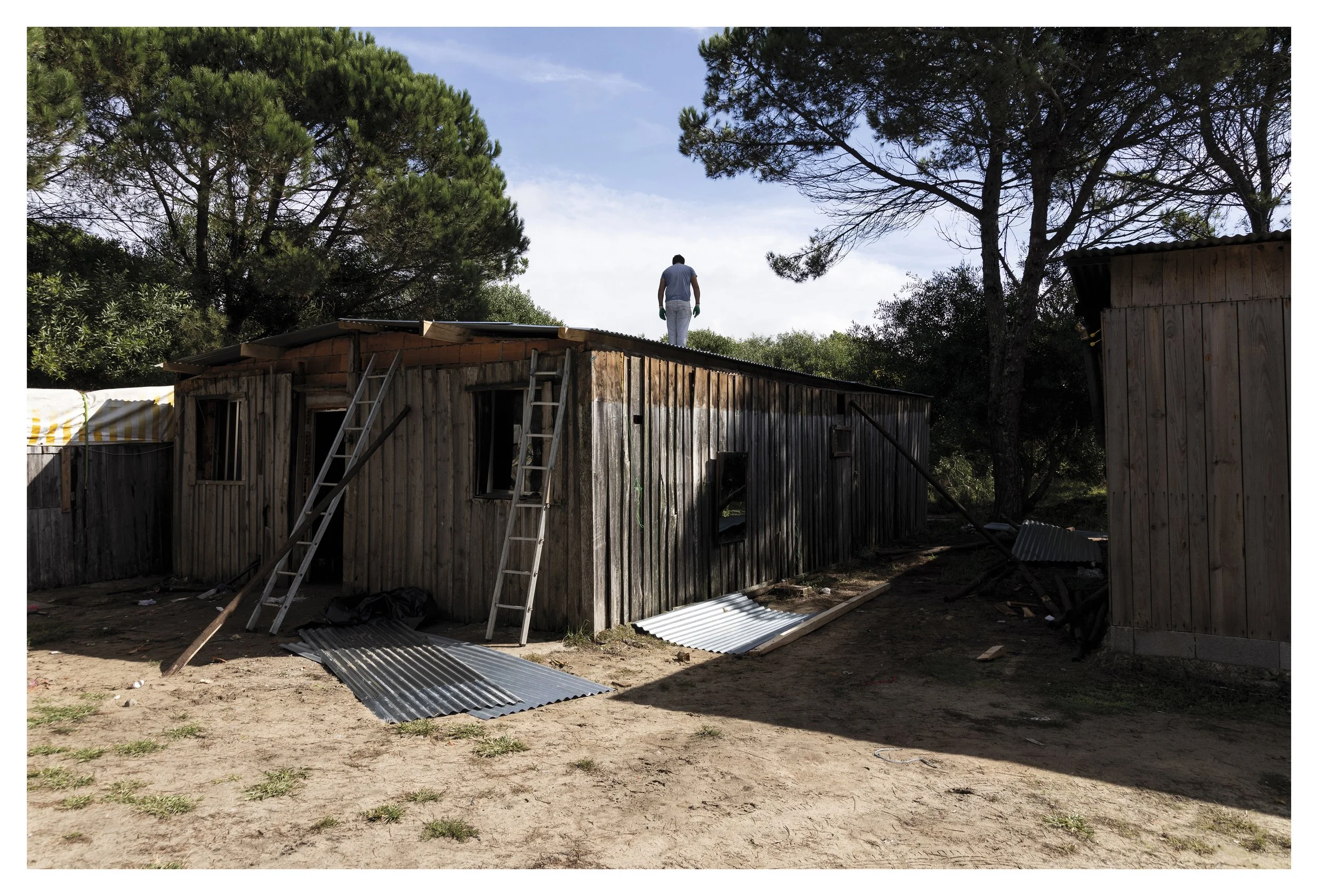
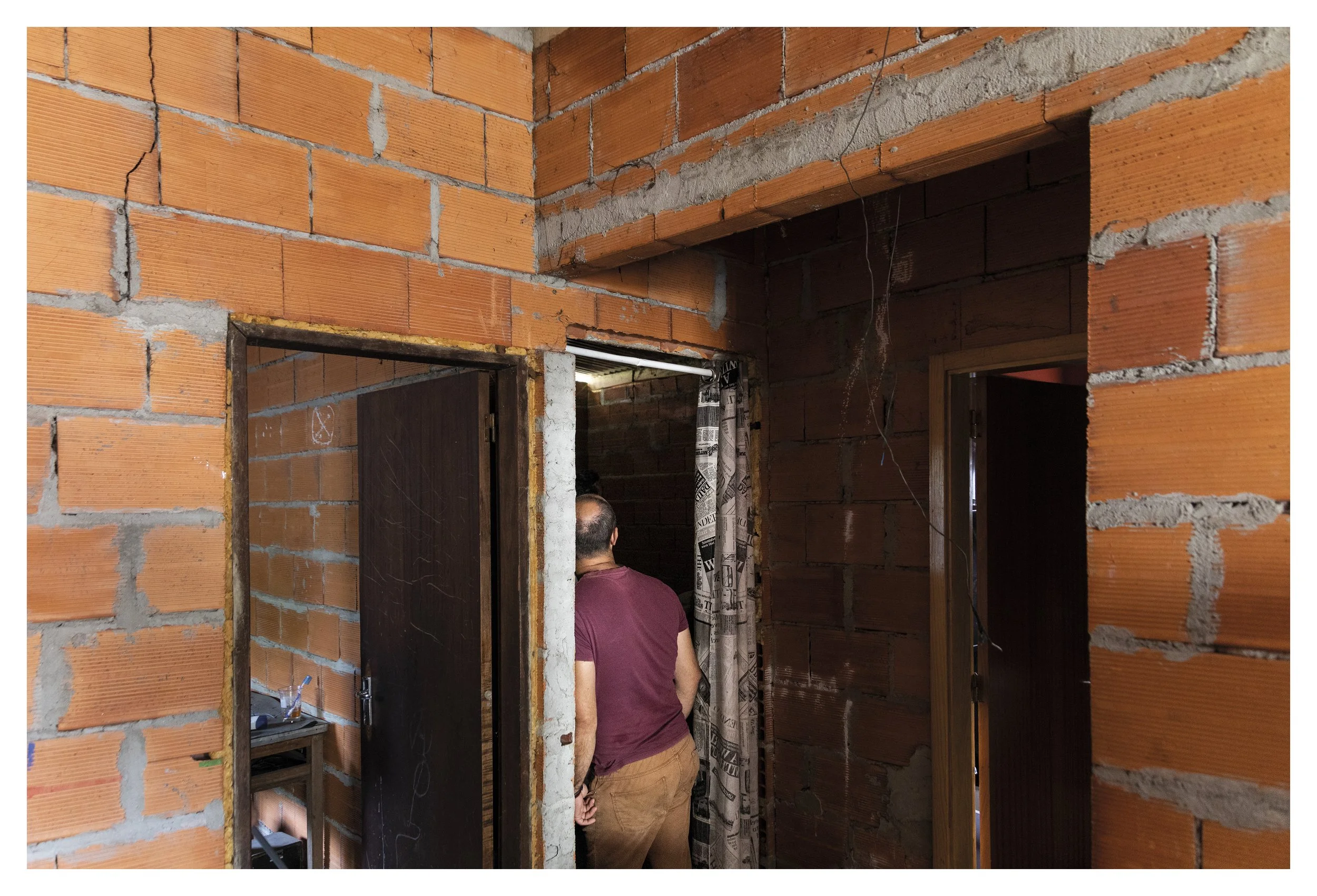
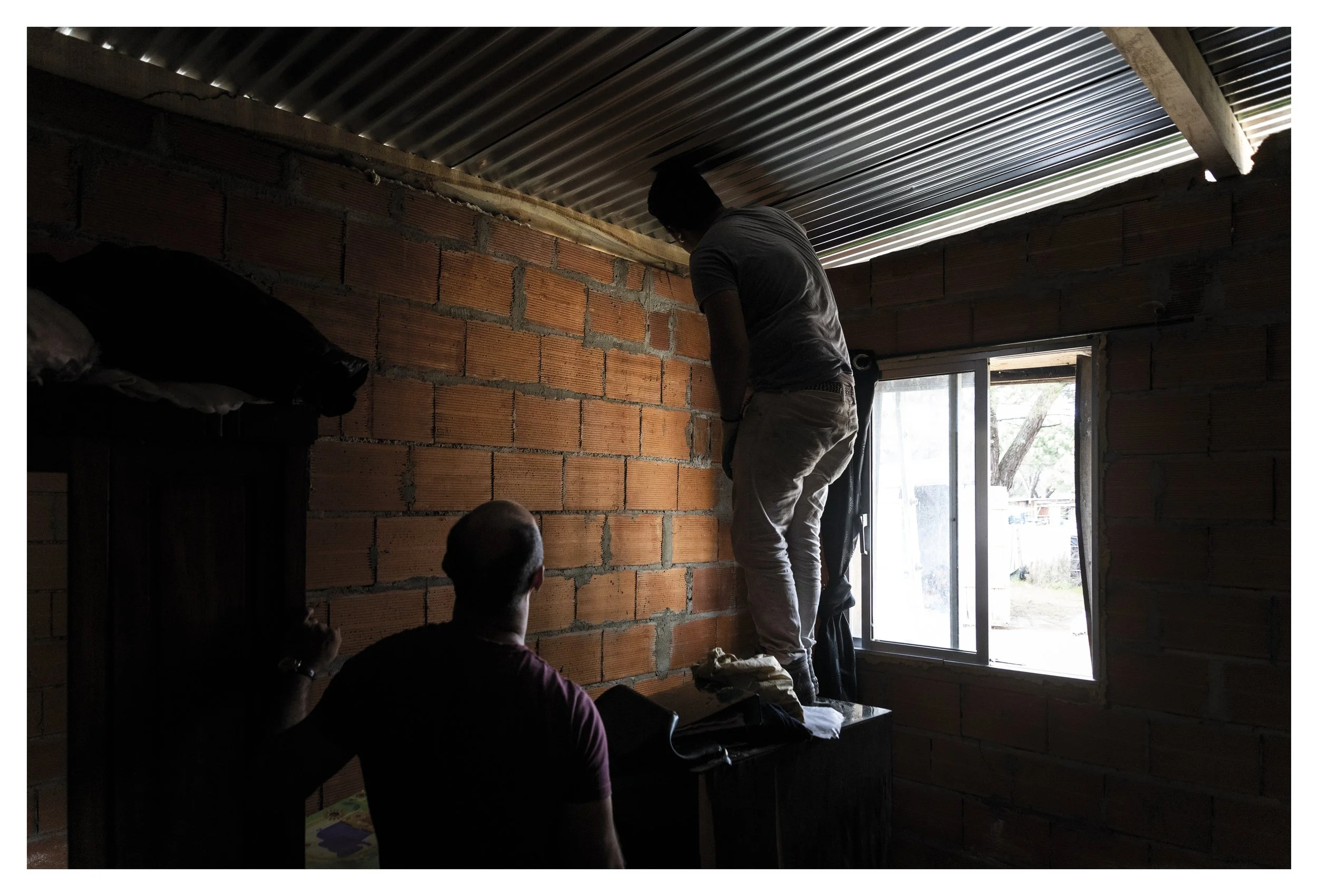
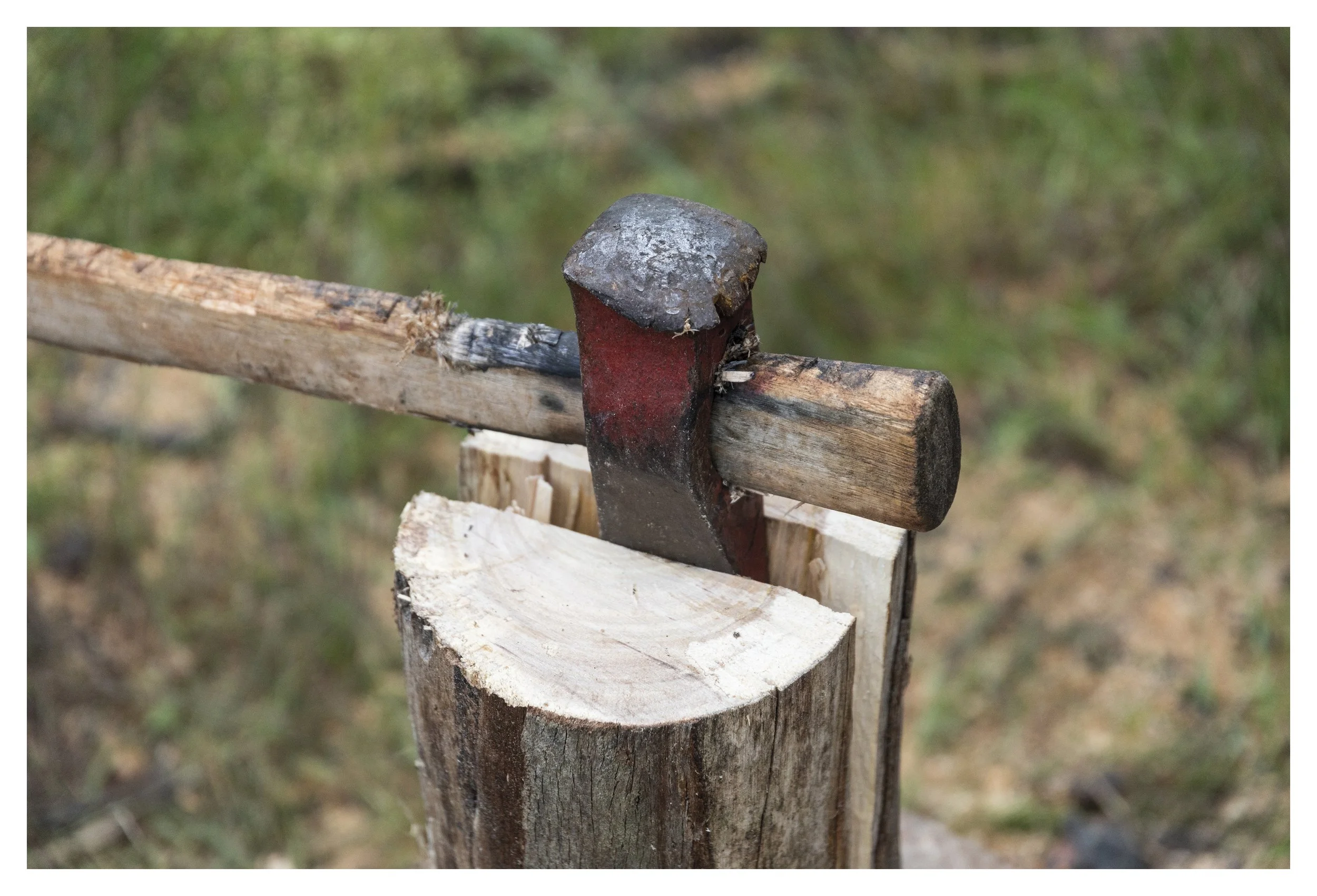
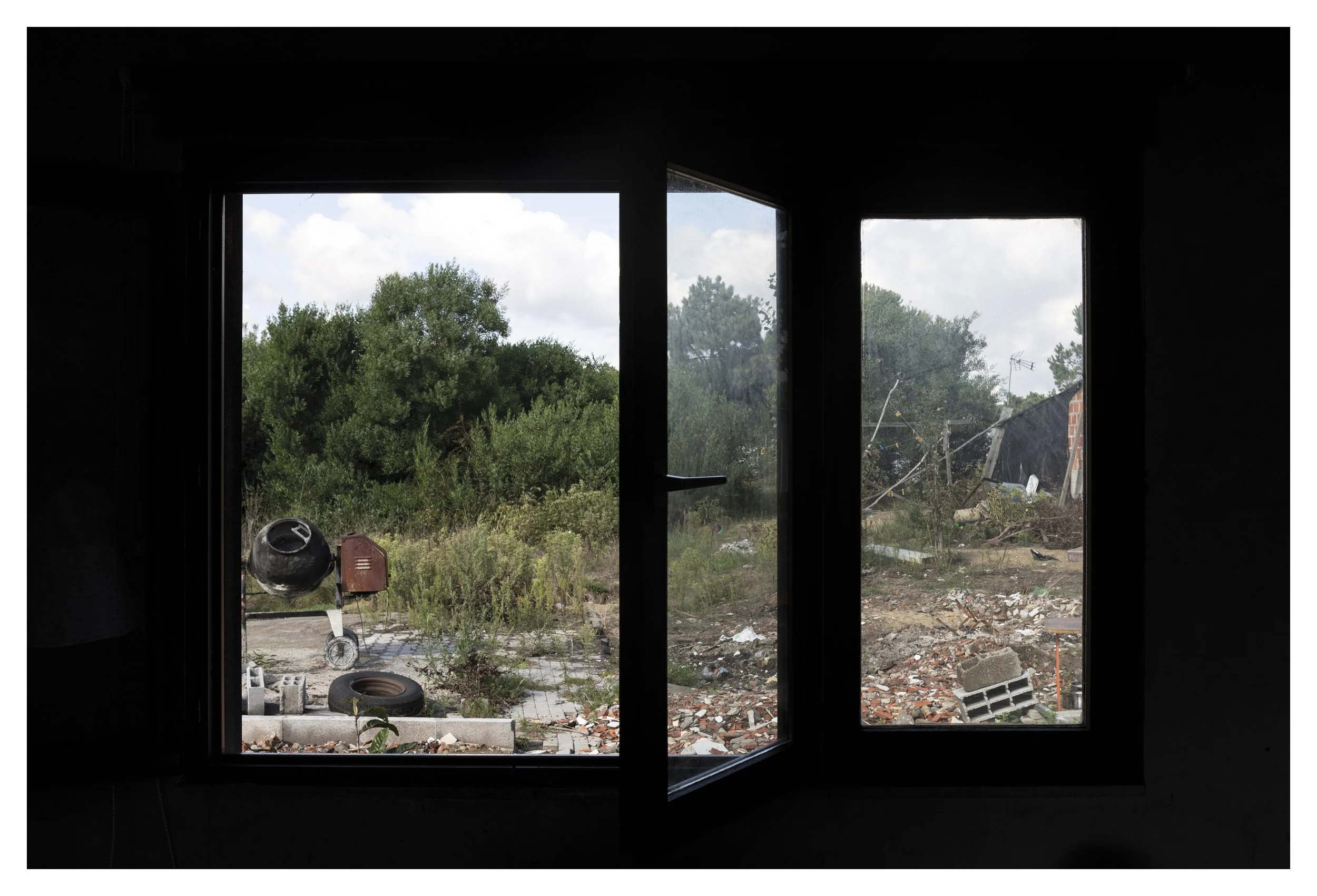
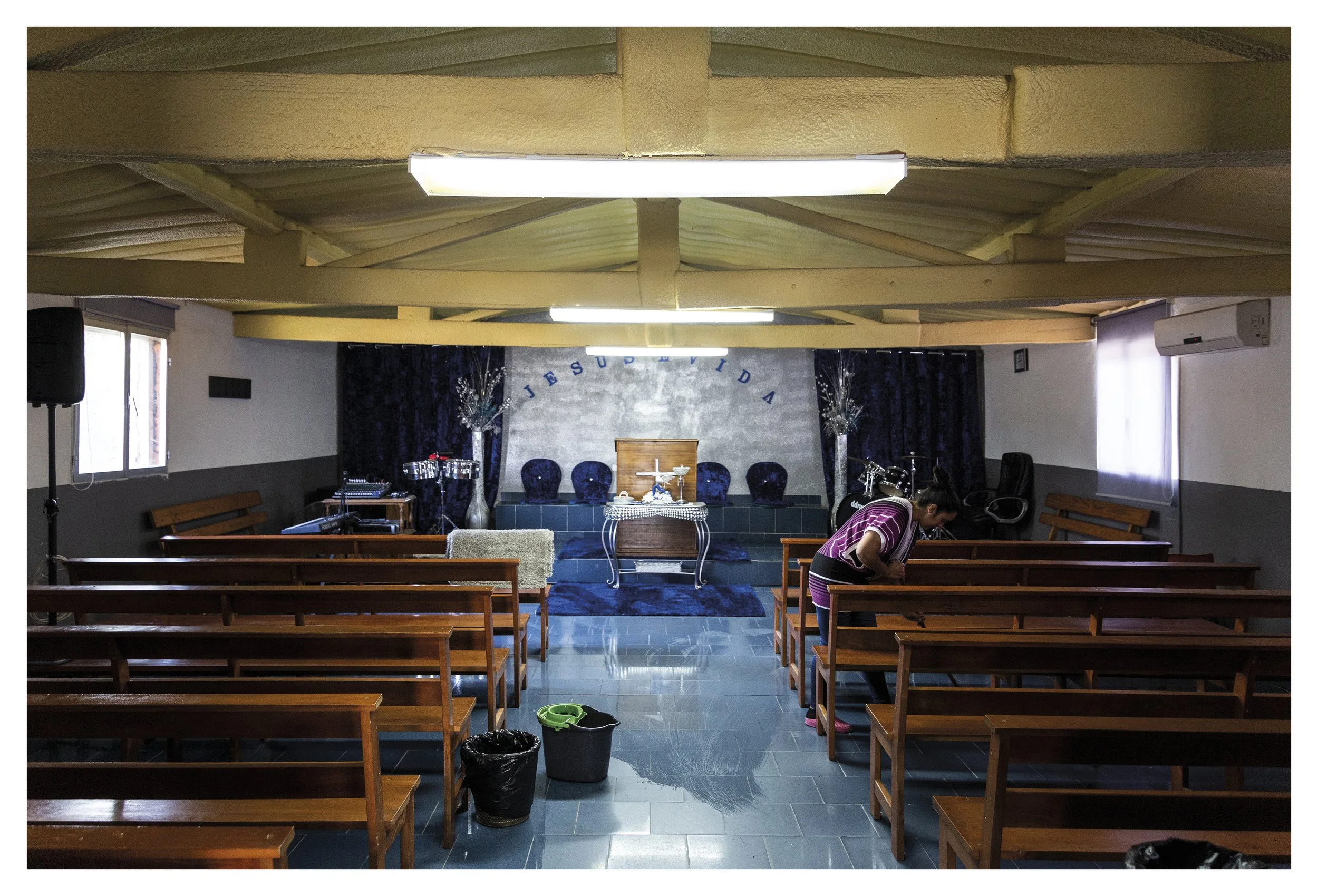
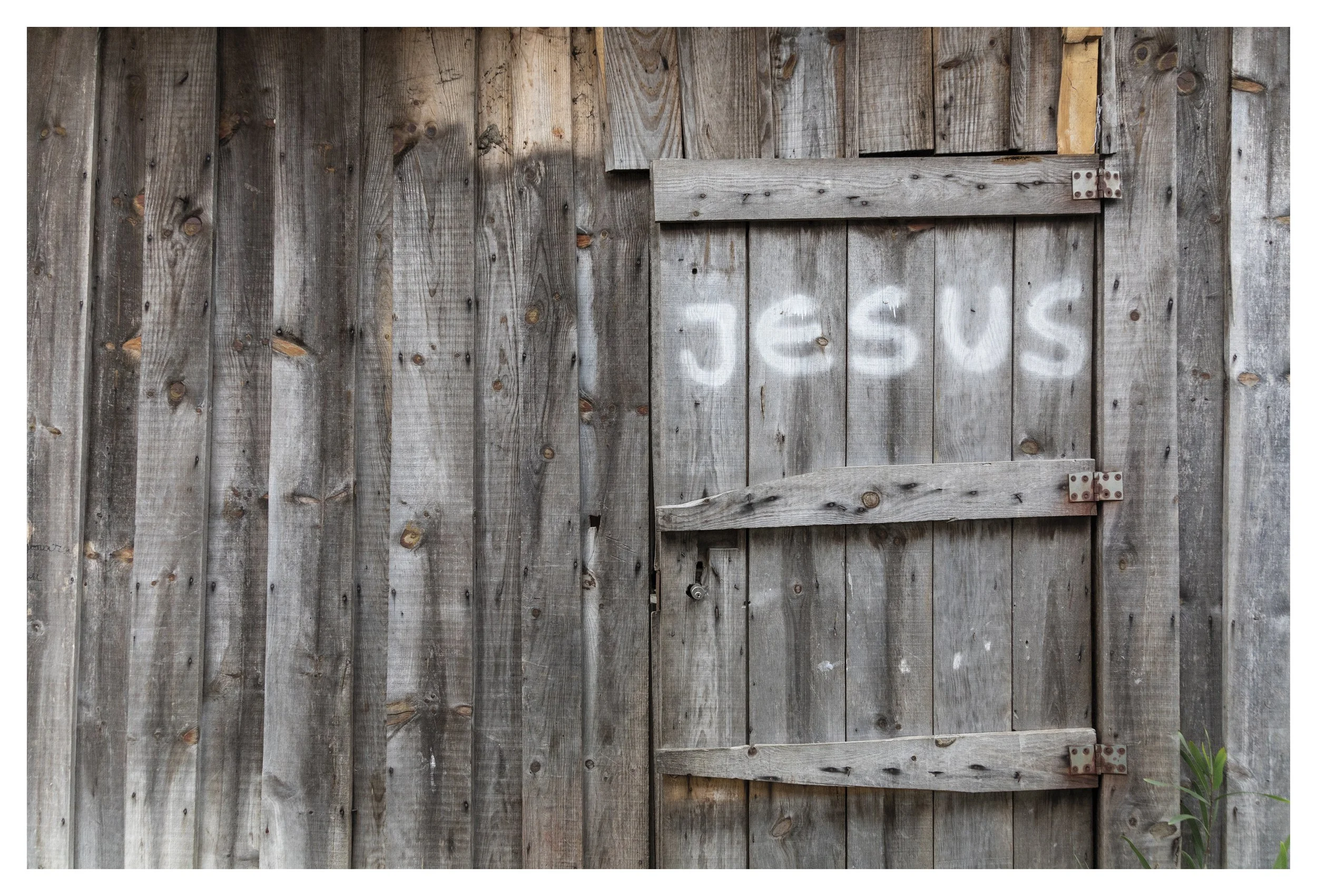
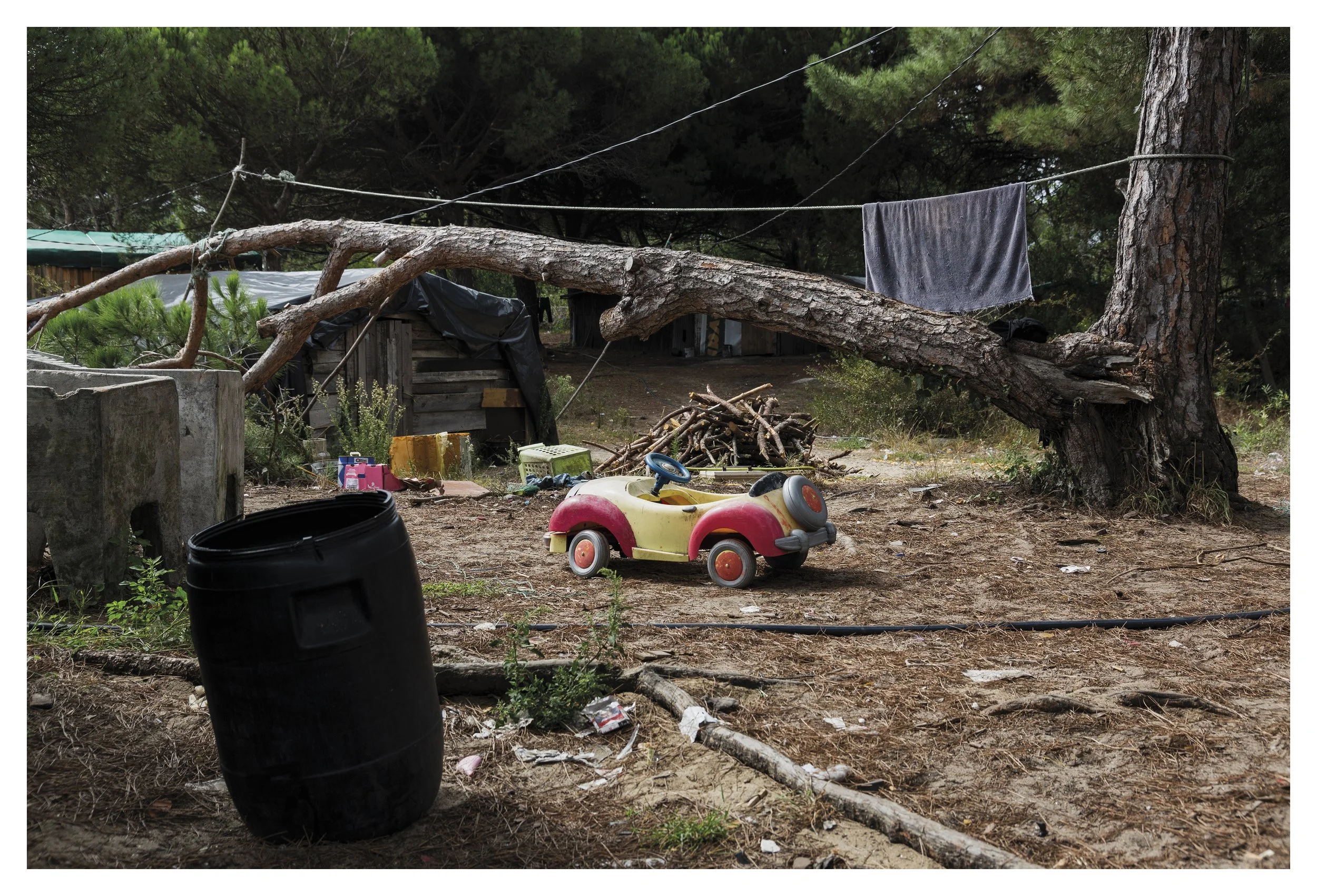
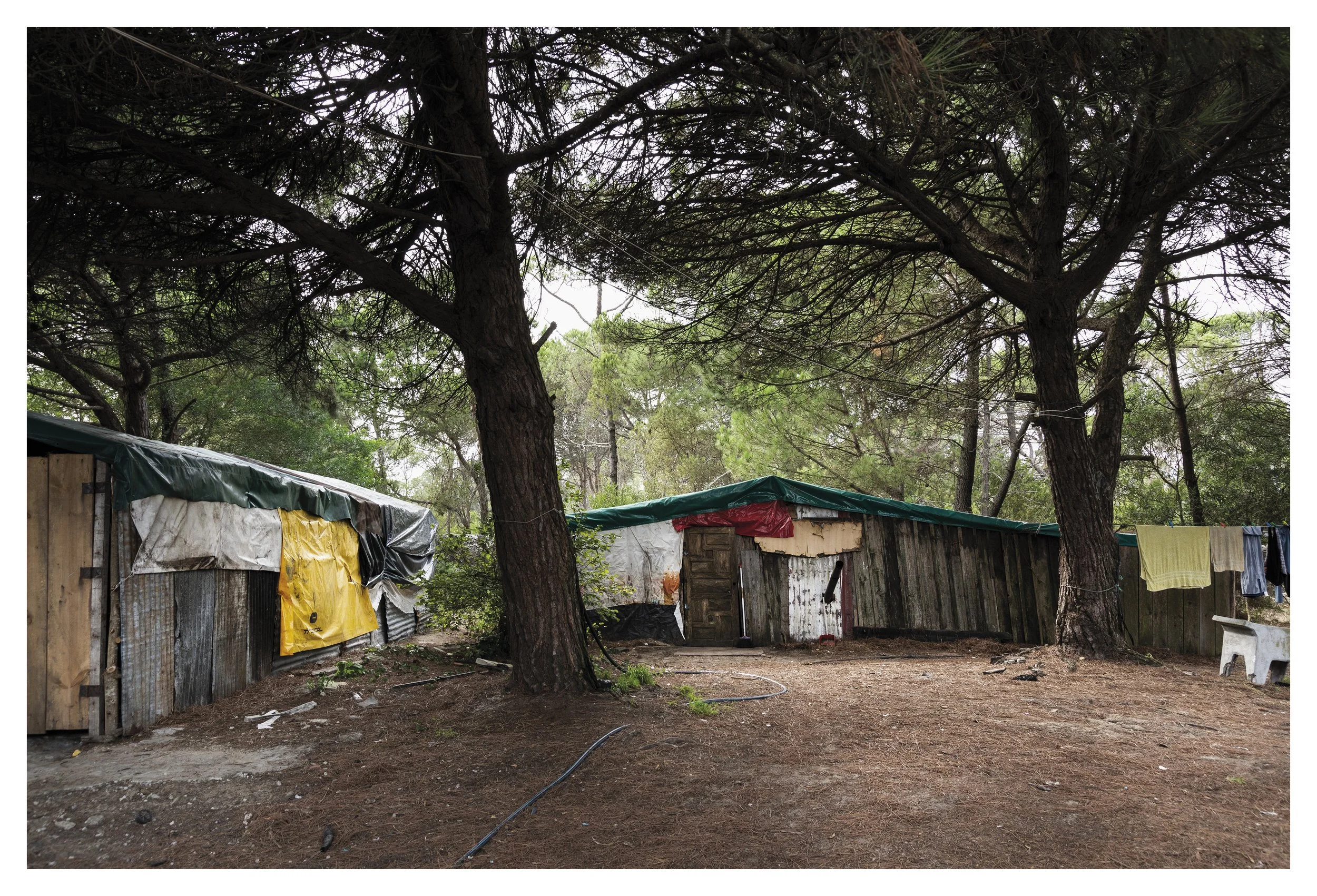
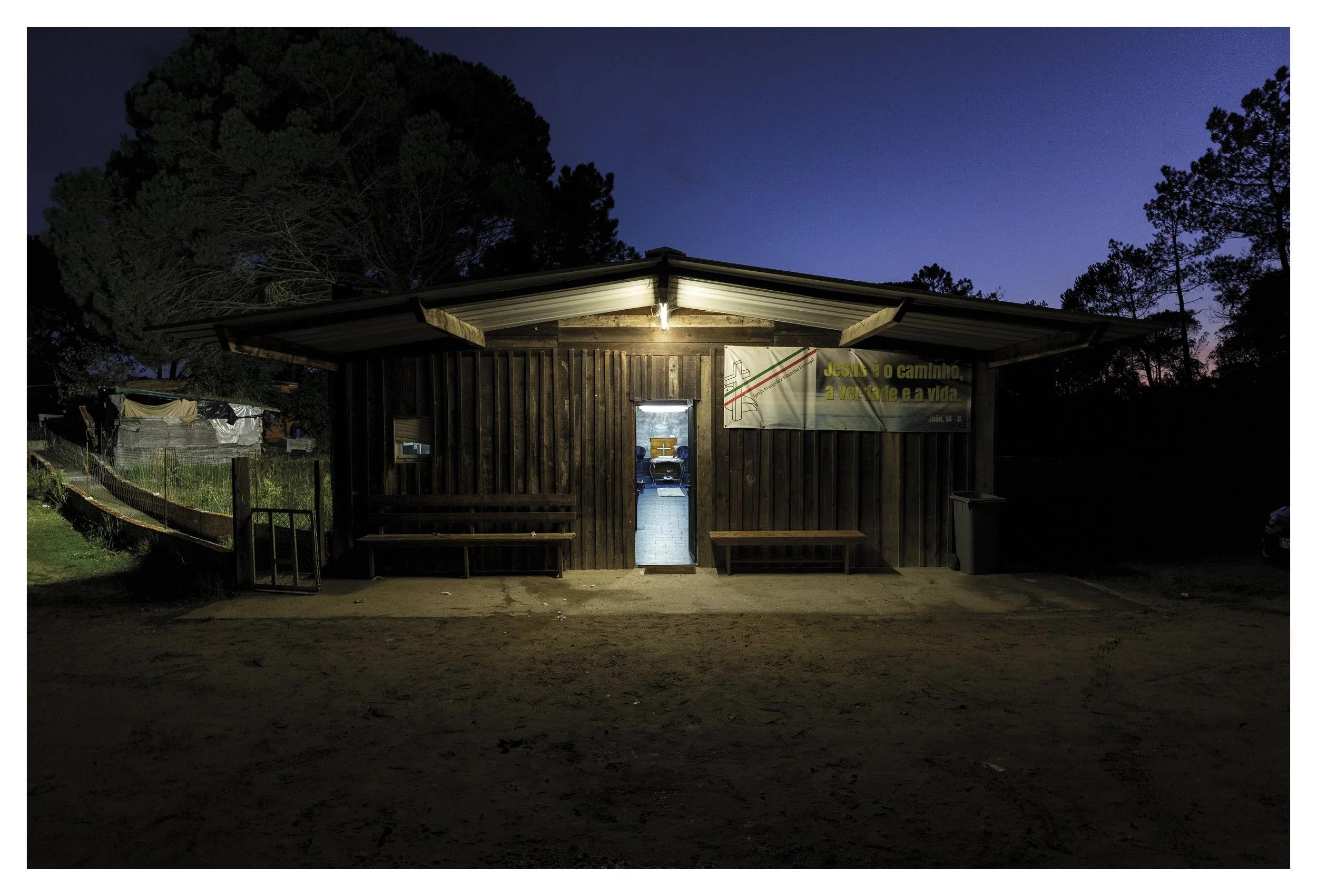
Acampamento: nome que se dá a um lugar como este e que contém um conjunto diverso de habitações, construídas pela própria mão de quem lá vive. Um jogo de formas e de arruamentos decididos pelo encaixe democrático de espaços experimentados, escolhidos para o ficar. Destaca-se a multiplicidade das construções, mas também das famílias que aqui vivem, dotadas de uma autónoma e complexa destreza social.
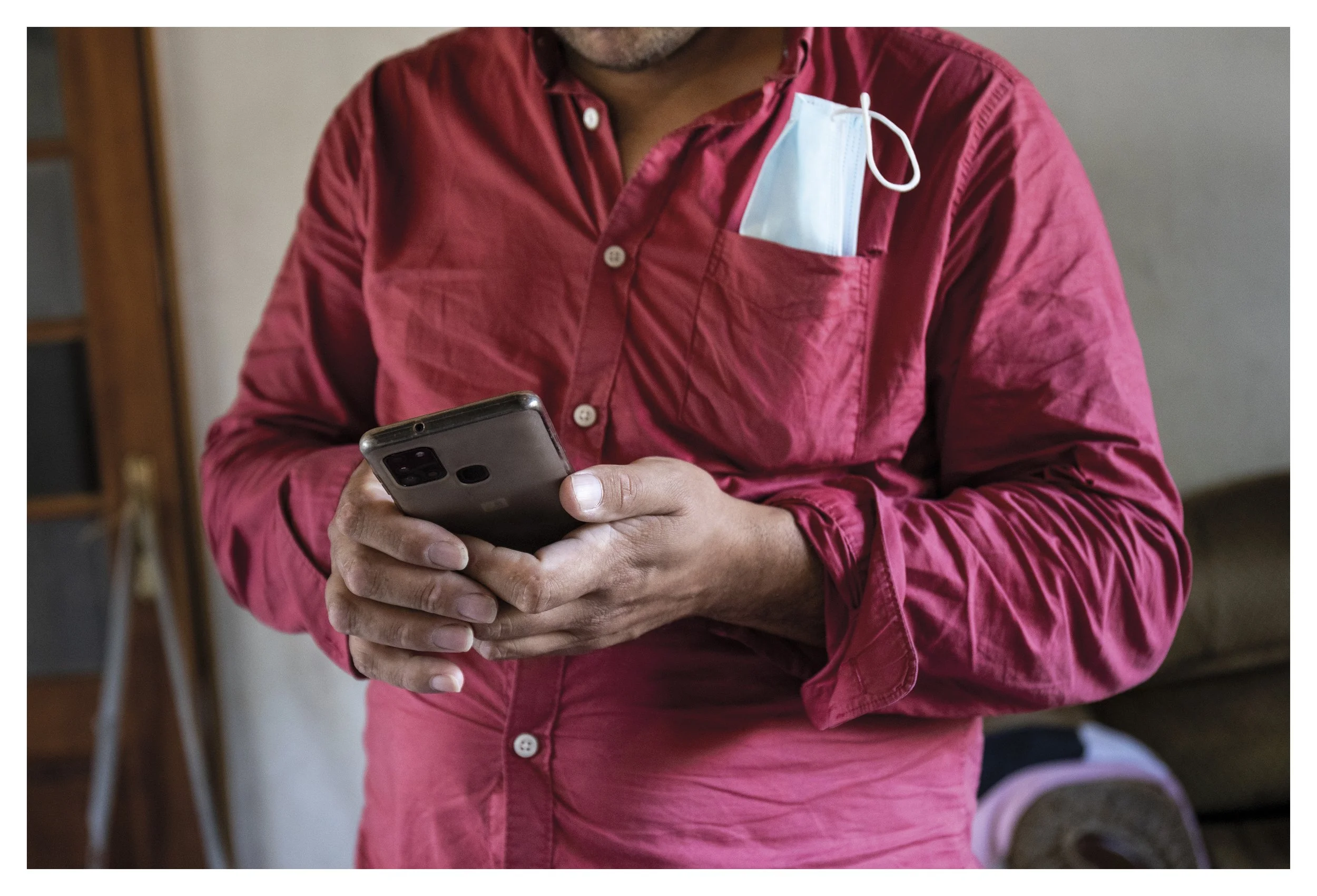
No primeiro dia que visitei o acampamento, descubro que a minha forma de documentar teria de se reconstruir, de se demarcar do inúmero e fácil conjunto de imagens que descortinam sem descrever, sem complementar a verdade emotiva de quem aqui vive. Existe muito a dizer, mas é sempre fácil dizer mais do que aquilo que se pensa ou se descobre. Podemos falar de uma pós-ficção da realidade, mas também da relação e interpolação necessária com a sociedade quando a vivemos como parte de um acto fotográfico. Interessa-me, dentro deste pensamento, revelar a pós-narrativa, deixar em aberto o quotidiano, apresentar um desenho focado que mostre o encontro entre o recolector e quem se deixa representar. Desta forma, sem transtornar o que de mais belo tem o acto de ficcionar uma construção visual, destaco o contacto imersivo, próximo e formalizado através do método fotográfico, do meio.
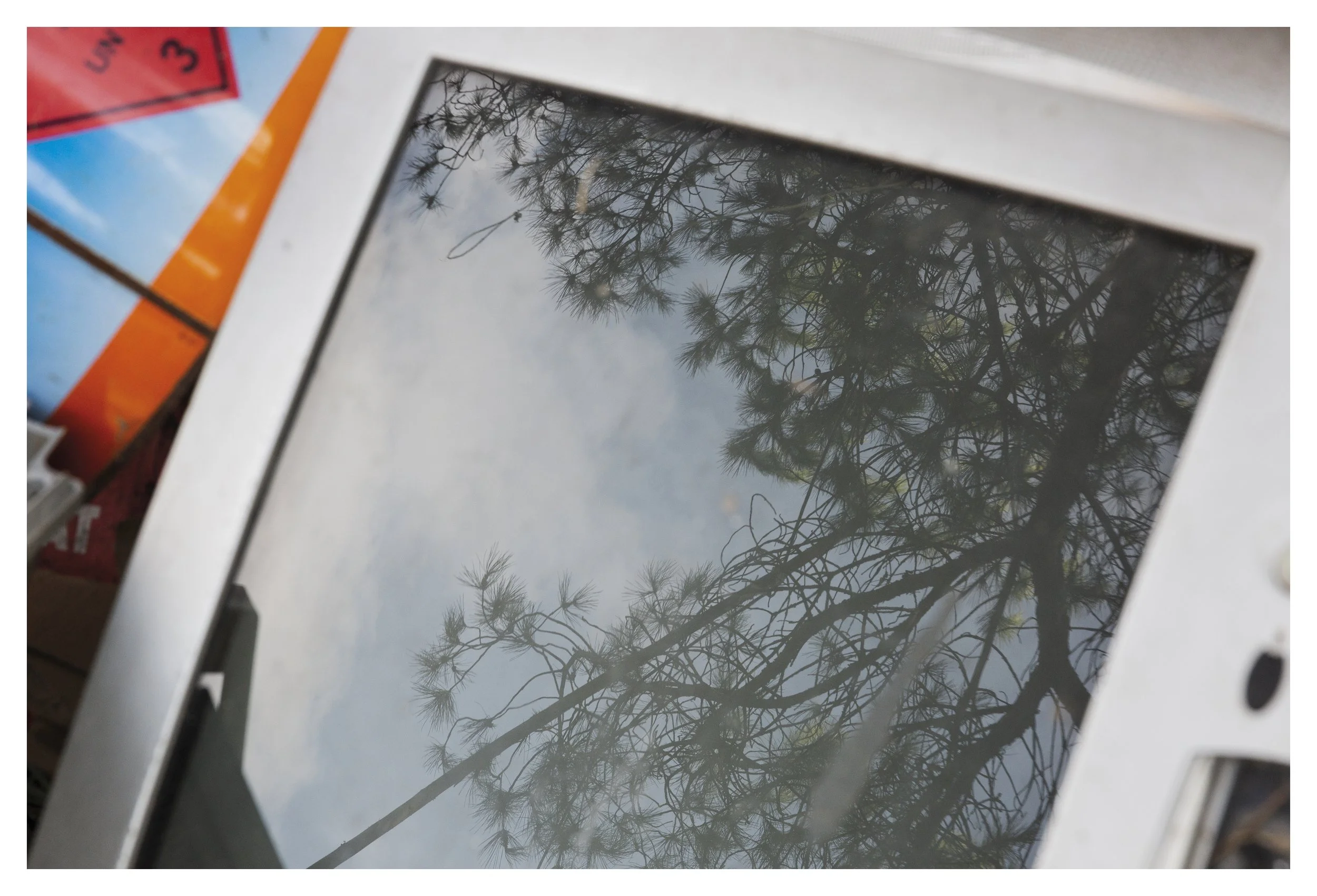
Hoje, depois de longas viagens pelas vidas dos outros, depois de um acolhimento verdadeiro e amplo, deixo, no meu trabalho com esta comunidade, um traço de uma realidade que se constrói dia-a-dia. Do ficar, do fazer e do atravessar: do fotógrafo que se deixa expor pelo reflexo e pela vivência de quem se deixa representar.
This photographic project aims to draw on layers of an imagined reality, described and inscribed in these photographs. It began with a desire to get to know and document a particular place. Located in Darque, this Roma encampment is the origin of the entire work process, the thread that runs through the book and takes us through the lives of these people.
I was fascinated by this question: what lays behind those walls (almost absent in form)? There was also a desire to discover new daily routines and to see them unfold. That was how I met Daniel.
Photography: a gesture that leads me to translate what I see and follow in these two years of the project—it (a)conditions on a personal level what I identify in the face of a conscious void, a denial of a truth that I did not know or do not know. Paradoxes, metaphors, and realities. From the first moment of contact, I was interested in getting to know the community and bringing my reality into the paths and trees that shelter these bodies.
Who are they? They stayed, they decided to live in this place. For now...
Encampment: the name given to a place like this, which contains a diverse set of dwellings, built by the hands of those who live there. An interplay of forms and pathways, born from the shared fitting of lived-in spaces, chosen not just to pass through, but to belong. The multiplicity of the buildings stands out, but so does that of the families who live here, endowed with an autonomous and complex social dexterity.
On the first day I visited the camp, I realized that my way of documenting would have to be rebuilt, to stand out from the countless and easy set of images that reveal without describing, without complementing the emotional truth of those who live here. There is much to say, but it is always easier to say more than what one thinks or discovers. We can talk about a post-fiction of reality, but also about the necessary relationship and interpolation with society when we experience it as part of a photographic act. Within this line of thinking, I am interested in revealing the post-narrative, leaving everyday life open, presenting a focused design that shows the encounter between the collector and those who allow themselves to be represented. In this way, without disrupting the beauty of the act of fictionalizing a visual construction, I highlight the immersive, close, and formalized contact through the photographic method, the medium.
Today, after long journeys through the lives of others, after a true and warm welcome, I leave, in my work with this community, a trace of a reality that is built day by day. Of staying, of doing, and of crossing over: of the photographer who allows himself to be exposed by the reflection and experience of those who allow themselves to be represented.